
CNC turning and milling
Loads raw material and removes machined parts in repetitive cycles.
Manufacturing automation
A cobot or industrial robot can load and unload workpieces on a CNC machine, press or other production machine. Compare models on reach, payload, gripper and safety set-up.
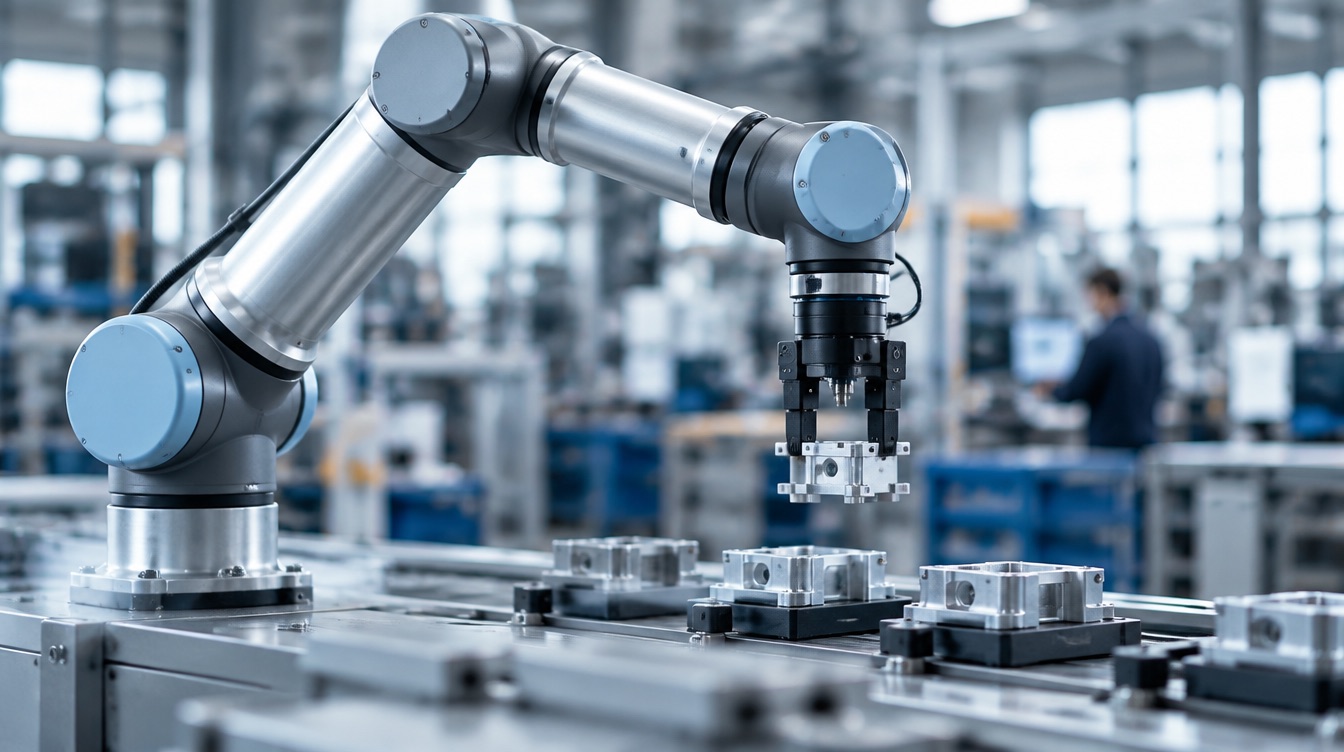
The task
In machine tending, a robot places a workpiece in a machine and removes it again after the cycle. This can be done with CNC turning, milling, pressing and injection moulding. The robot arm is only one part of the solution: gripper, workpiece supply, machine door, controls and safety determine whether the cell works reliably.
In practice
Loads raw material and removes machined parts in repetitive cycles.
Moves workpieces between infeed, press and outfeed with suitable guarding.
Takes suitable products out of the machine and places them for inspection or packaging.
One robot cell can sometimes serve several machines if reach and cycle times allow it.
Business considerations
Use these signals as a starting point for research, not as a guarantee of a result.
Comparing technologies
Can be interesting for smaller series and changeovers. Working alongside people requires a risk assessment here too.
Can be suitable for higher speed or heavier loads, often with a clearly guarded work cell.
Models
Linked on the basis of the recorded application and robot type. Check the suitability for your process per model.
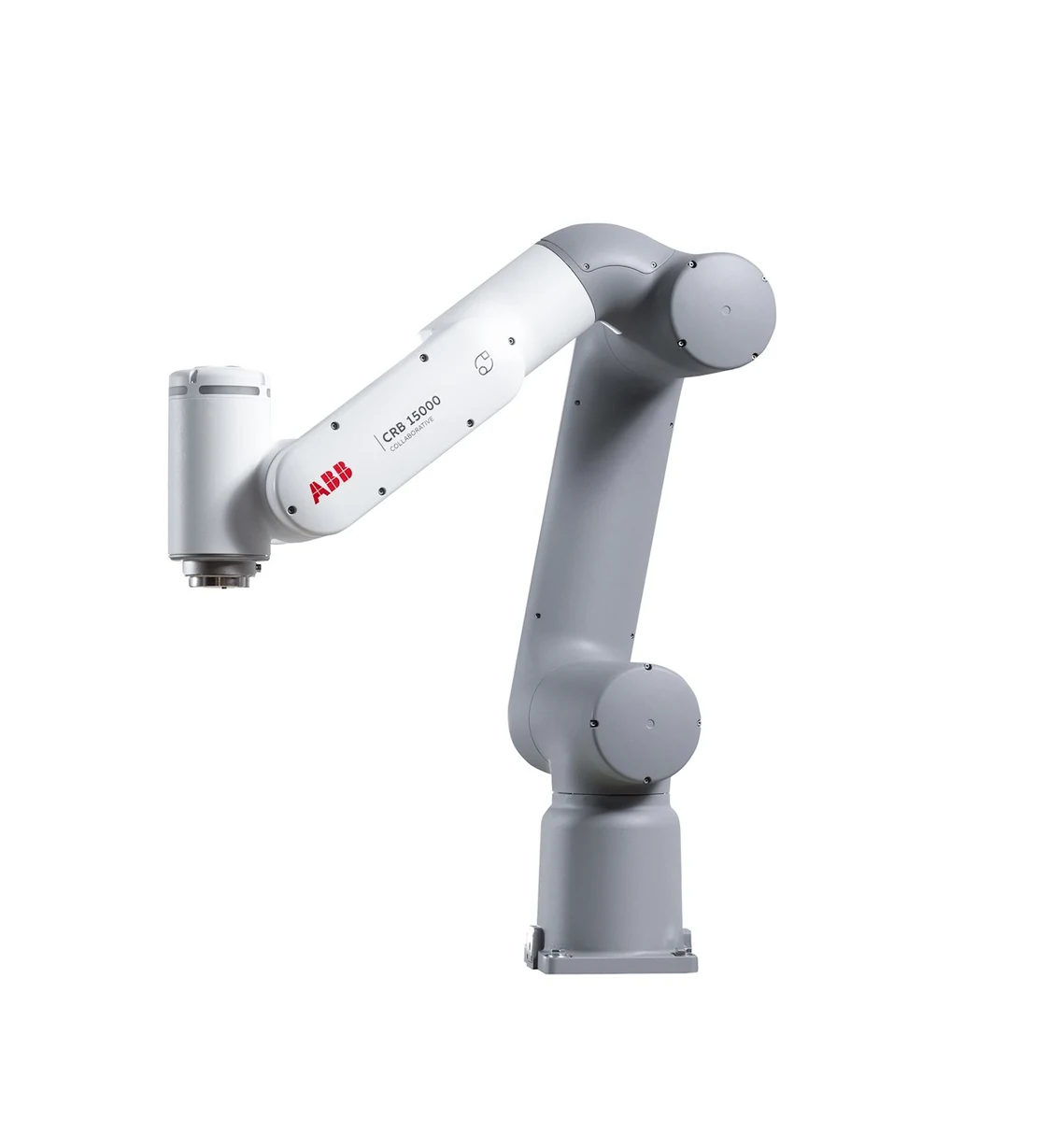
ABB
Cobots · Machine tending
Payload: 5 to 12 kg
View robot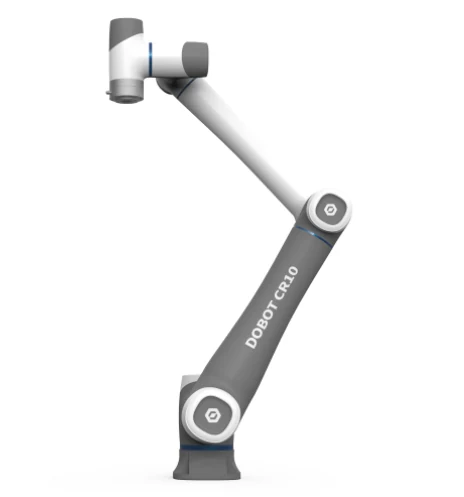
DOBOT
Cobots · Machine tending
Payload: 10 kg
View robot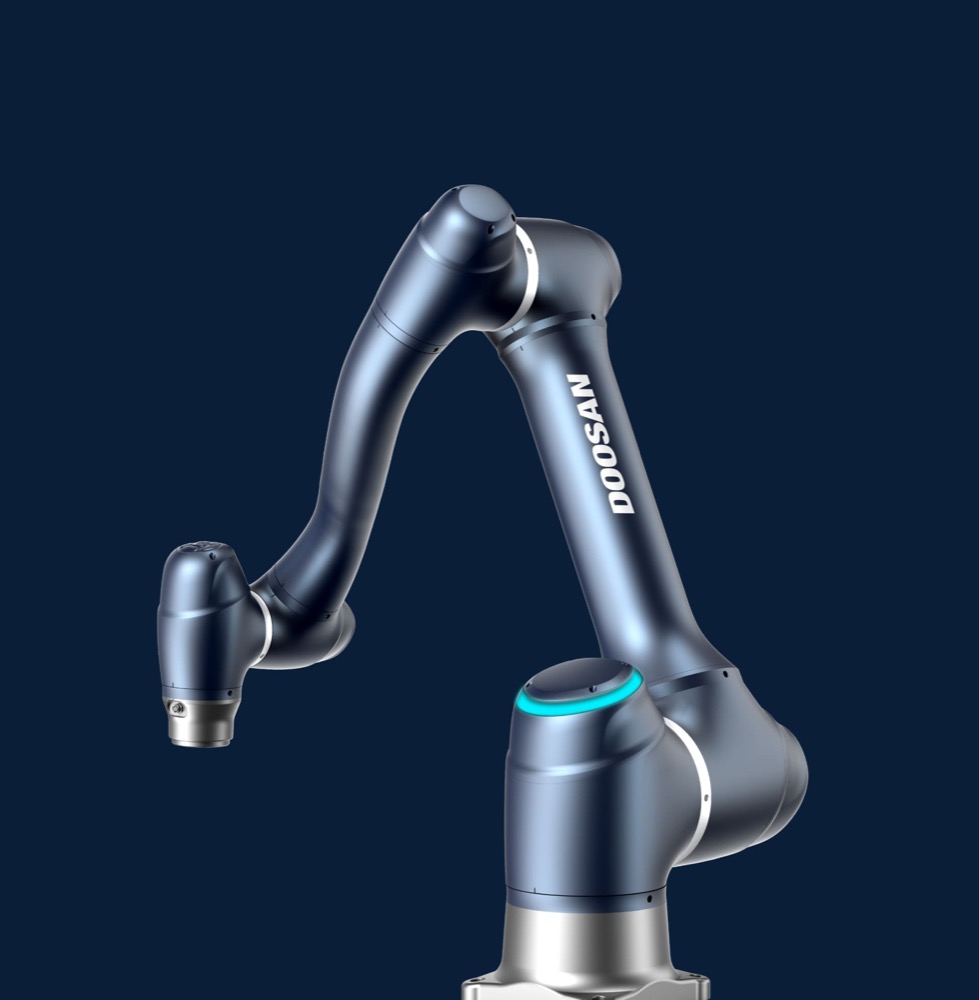
Doosan Robotics
Cobots · Machine tending
Payload: 5 to 9 kg
View robot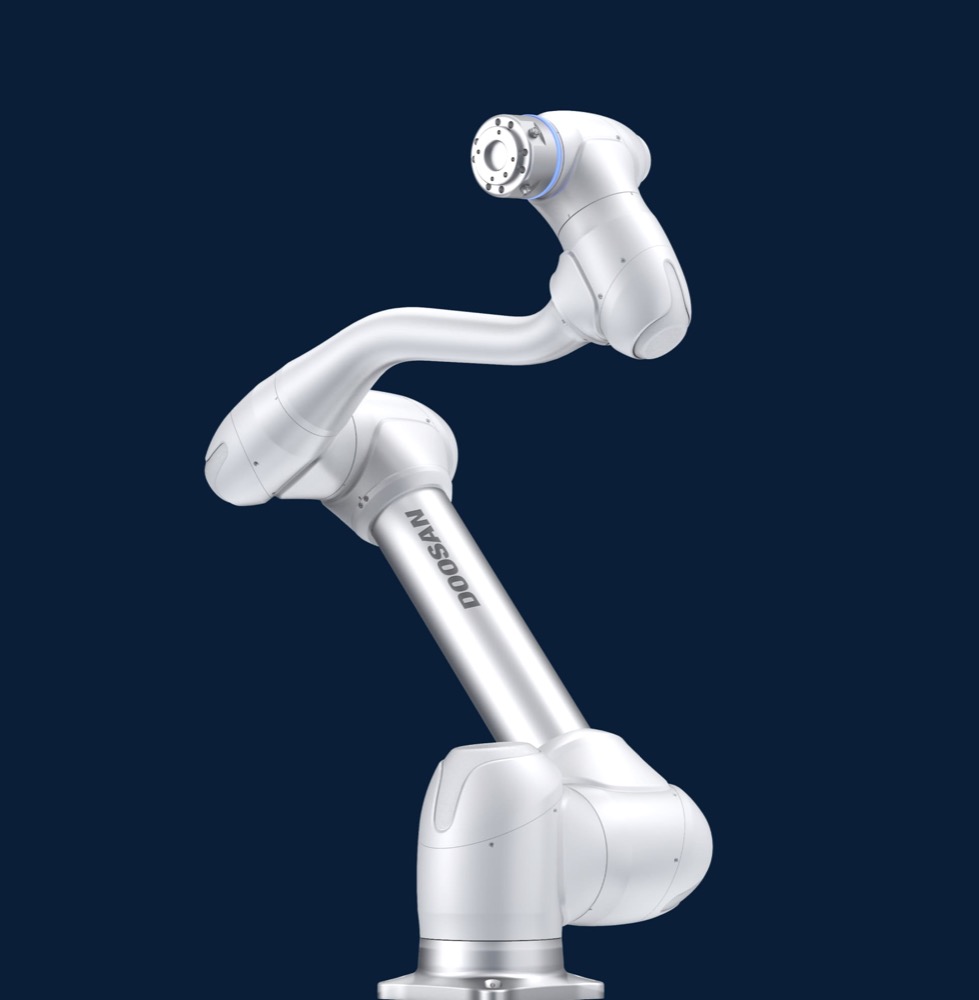
Doosan Robotics
Cobots · Machine tending
Payload: 6 to 15 kg
View robot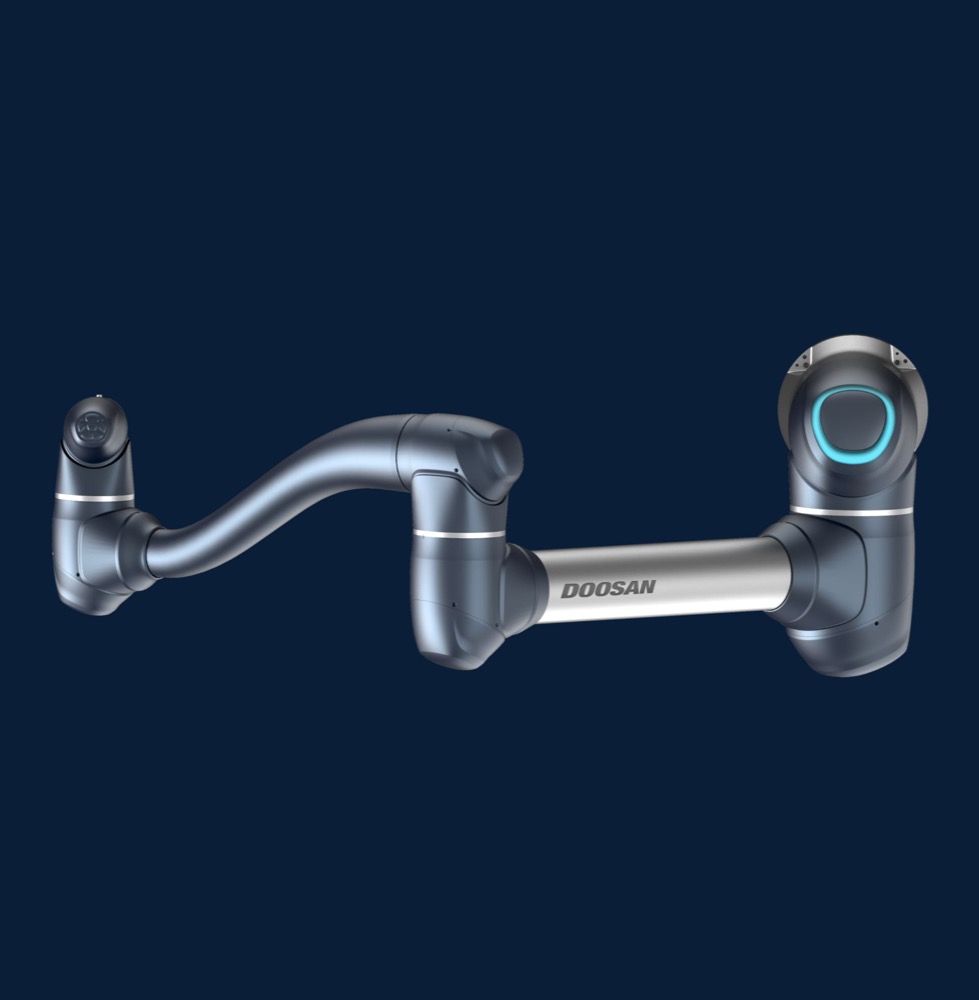
Doosan Robotics
Cobots · Machine tending
Payload: 20 to 25 kg
View robot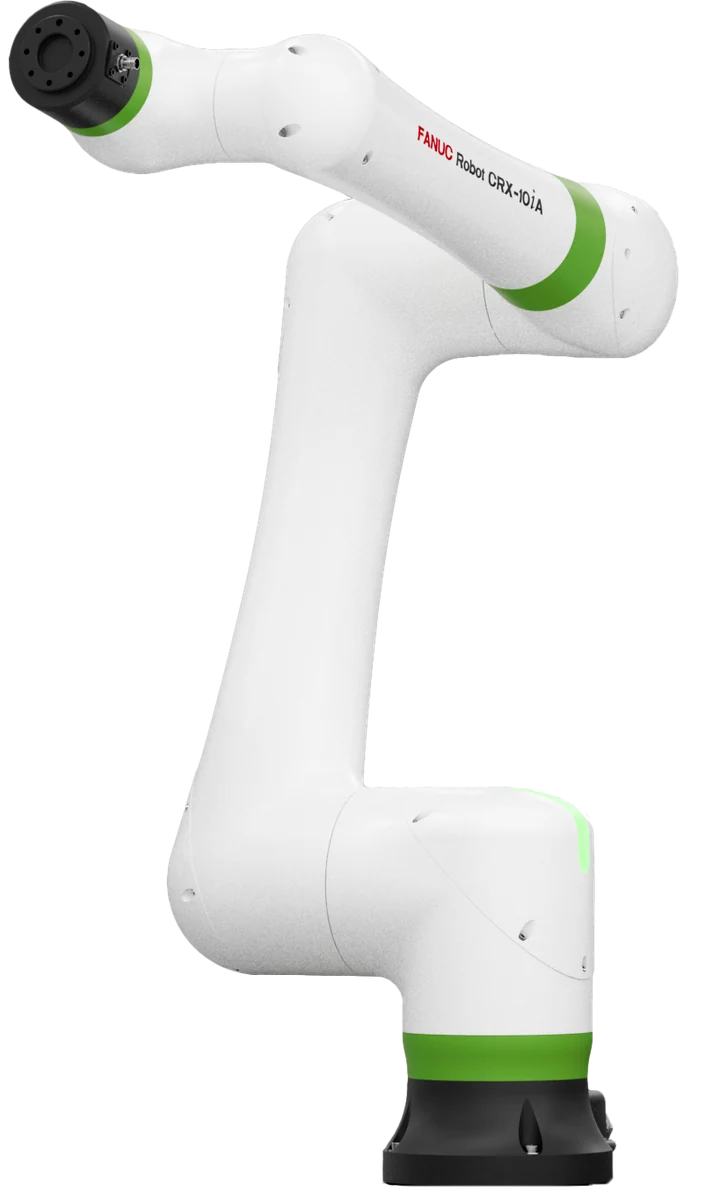
FANUC
Cobots · Machine tending
Payload: 10 kg
View robot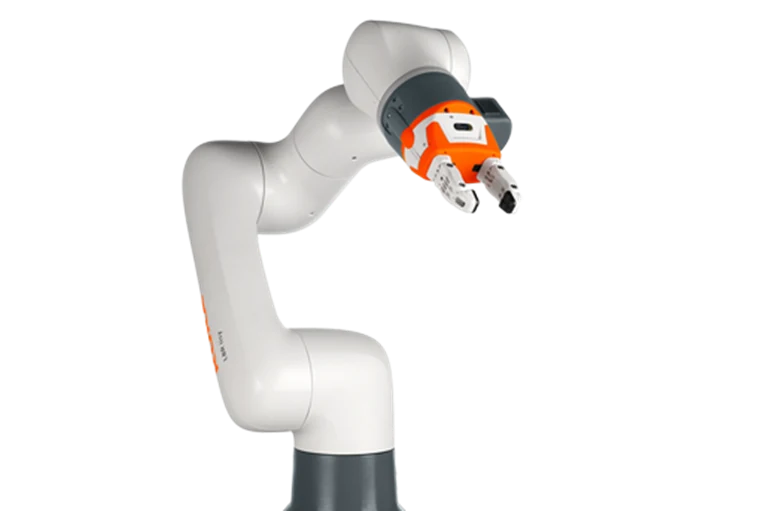
KUKA
Cobots · Machine tending
Payload: 3 to 15 kg
View robot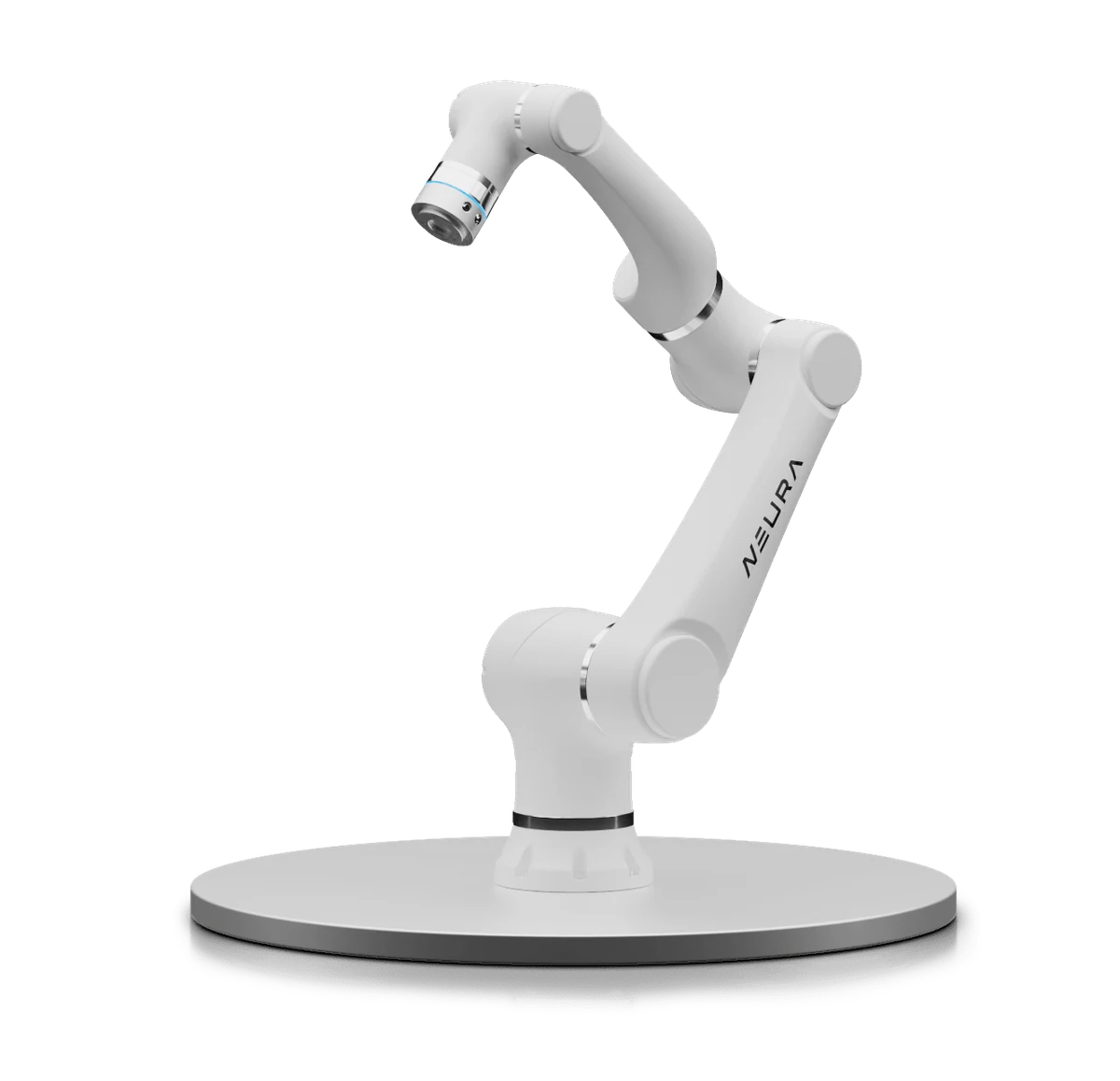
NEURA Robotics
Cobots · Machine tending
View robotSuppliers
These suppliers are linked to the robot models shown. Check delivery area, integration and service directly with the supplier.
The robot choice follows from the workplace and the process. Discuss these points before comparing models.
Frequently asked questions
A robot places workpieces in a machine and takes them out again after machining.
No. Weight, reach, cycle duration, chips, coolant and safety may call for a different set-up.
An interface for start, stop, status and door operation is often needed. The exact modification differs per machine.
That depends on the shape, dimensions, surface and weight of the workpiece. An integrator can test this.
Sometimes, if reach, layout and cycle times make it possible. This requires a process design per site.
Start with the task and then test model, supplier and implementation.