
CobotsNEURA RoboticsCommercially available
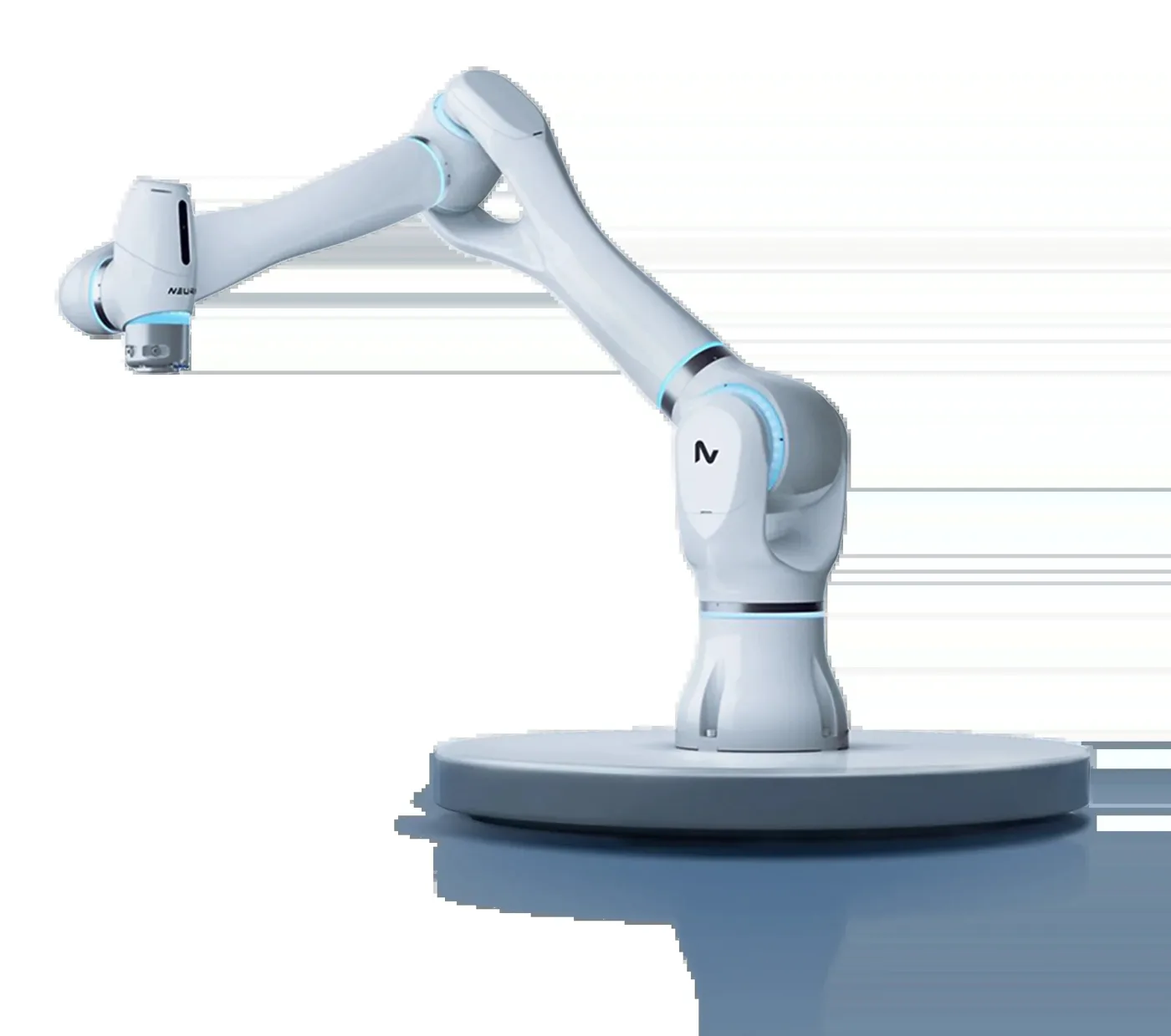
NEURA Robotics MAiRA
NEURA Robotics MAiRA is a cobot with integrated perception, offered in three sizes (S, M, L).
NEURA Robotics calls MAiRA the first commercially available cognitive robot. It combines machine vision, spatial audio processing and self-optimising workflows with a robot arm. According to the manufacturer the payload is 9 to 18 kg and the reach 1100 to 1600 mm, depending on the size. A dedicated touchless human-detection function is meant to prevent collisions. Applications mentioned are manufacturing, logistics, healthcare and aerospace. Whether the cognitive behaviour works in a specific application has to be shown in a trial.
Status 2026
Commercially availableThis model is listed as commercially available. Delivery, configuration and support vary by supplier and region.- InteractionCollaborative robot arm
Built to work alongside people, after a risk assessment of the application.
- ModularCognitive robot arm
In the cobots category.
- Payload
- 9 to 18 kg
- Reach
- 1,100 to 1,600 mm
depending on maat S, M or L
depending on maat
Values as recorded on the robot profile, generally based on manufacturer information. Configuration and operating conditions can change the figures; confirm them with the supplier.
What is NEURA Robotics MAiRA?
NEURA Robotics MAiRA is a collaborative robot arm from NEURA Robotics from Germany, listed for machine tending, assembly and internal transport. Key figures: payload 9 to 18 kg, reach 1,100 to 1,600 mm. Some figures apply under specific conditions; see the robot profile. Market status: commercially available. Availability and deployment options should be confirmed with a supplier. Robotleasen does not sell robots; it helps businesses compare suppliers and recorded information.
How does it compare with other collaborative robot arms?
We compare each value with the other collaborative robot arms in our guide for which it is known. Typical is the middle half. Values according to the manufacturers; caveats are noted with the key figures at the top.
- Payload18kg
Typical for a collaborative robot arm
Of the 202 others, 50 carry more, 5 the same and 147 less.
Typical: 5 to 18 kg
- Reach1,600mm
Long reach for a collaborative robot arm
Of the 197 others, 49 reach further and 148 less far.
Typical: 809 to 1,522 mm
Application
What was MAiRA developed for?
Machine tending
Assembly
Internal transport
Business fit
When might MAiRA be a fit?
An initial view based on the recorded category and model information
May be suitable for
- Organisations assessing a robot for a defined task and work environment.
- Teams comparing the robot's recorded profile with other options.
- Businesses that want to validate the application and integration requirements.
Considerations
- Confirm capabilities and current availability with the manufacturer or supplier.
- Check the work environment, integration needs and local support before selecting a model.
Facts
Did you know?
Notable facts about MAiRA, its manufacturer and this type of robot
- 2008
The first commercially sold cobot was a UR5 from Universal Robots, in December 2008.
Source: Universal Robots, company history A cobot's payload includes the gripper. A 1 kg gripper on a 5 kg cobot leaves 4 kg for the product.
The safety rules for cobots are set out in ISO 10218 and ISO/TS 15066. The latter gives limit values for contact force per body part.
Source: ISO/TS 15066- 2019
NEURA Robotics was founded in 2019.
Video
MAiRA in action
Video from the manufacturer or an authorised partner.
Market and supply
Is MAiRA available?
A profile status is not a confirmed offer or delivery time
What is settled?
Checked 7 October 2026- Market statusCommercially availableconfirmed
The model is on sale; you can request it from a supplier.
- RegionNot publicly confirmednot confirmed
Not known whether it is supplied in the Netherlands. Ask a supplier.
- Lease / RaaSNot confirmednot confirmed
No supplier has confirmed lease or robot-as-a-service.
- RentalNot confirmednot confirmed
No supplier has confirmed rental.
1 of 4 settled. The rest depends on the supplier.
Ask about availabilityManufacturer
NEURA Robotics
German robotics developer of cognitive robots and the 4NE1 humanoid platform for collaboration in human environments.
OUR INTERPRETATION
Our perspective on MAiRA
NEURA Robotics calls MAiRA the first commercially available cognitive robot. It combines machine vision, spatial audio processing and self-optimising workflows with a robot arm. According to the manufacturer the payload is 9 to 18 kg and the reach 1100 to 1600 mm, depending on the size. A dedicated touchless human-detection function is meant to prevent collisions. Applications mentioned are manufacturing, logistics, healthcare and aerospace. Whether the cognitive behaviour works in a specific application has to be shown in a trial.
Lease or rent
Can you lease this robot?
Leasing options for this model are not in our data. Ask the supplier about leasing, rental or Robot-as-a-Service, or use our request page for advice.
Compare
Compare MAiRA with alternatives
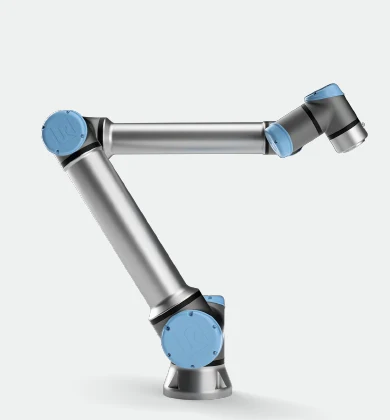
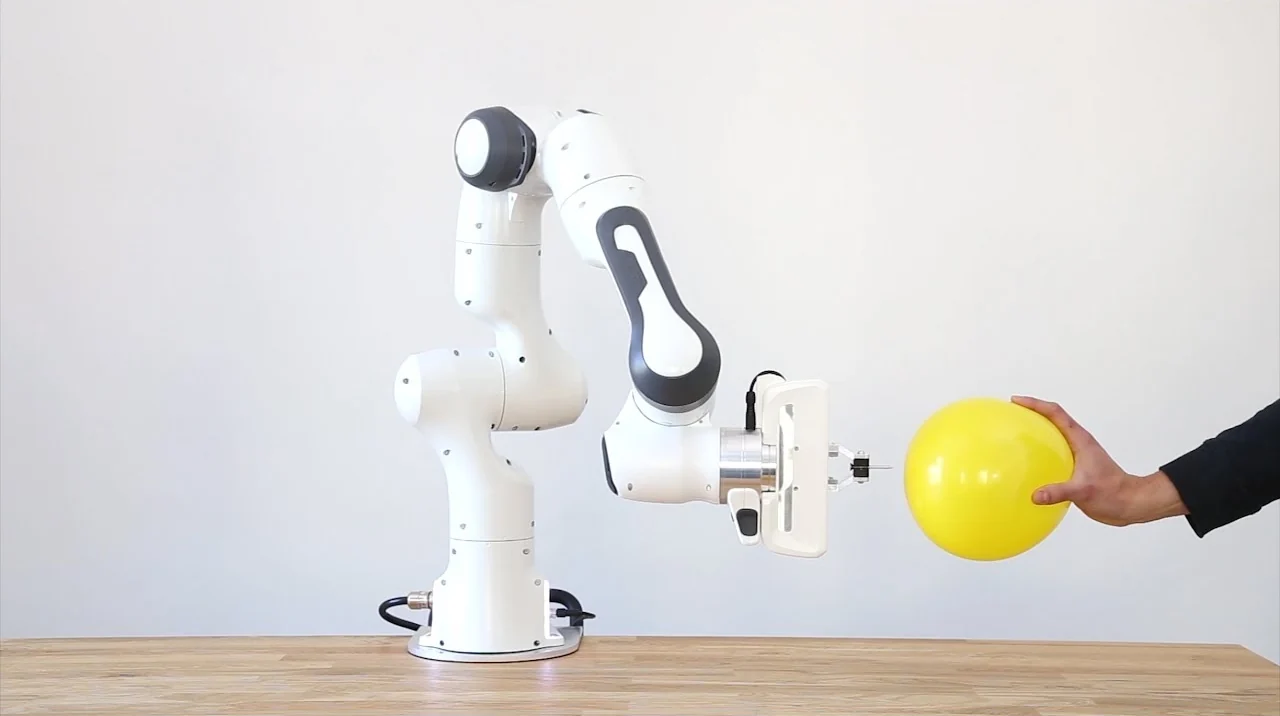
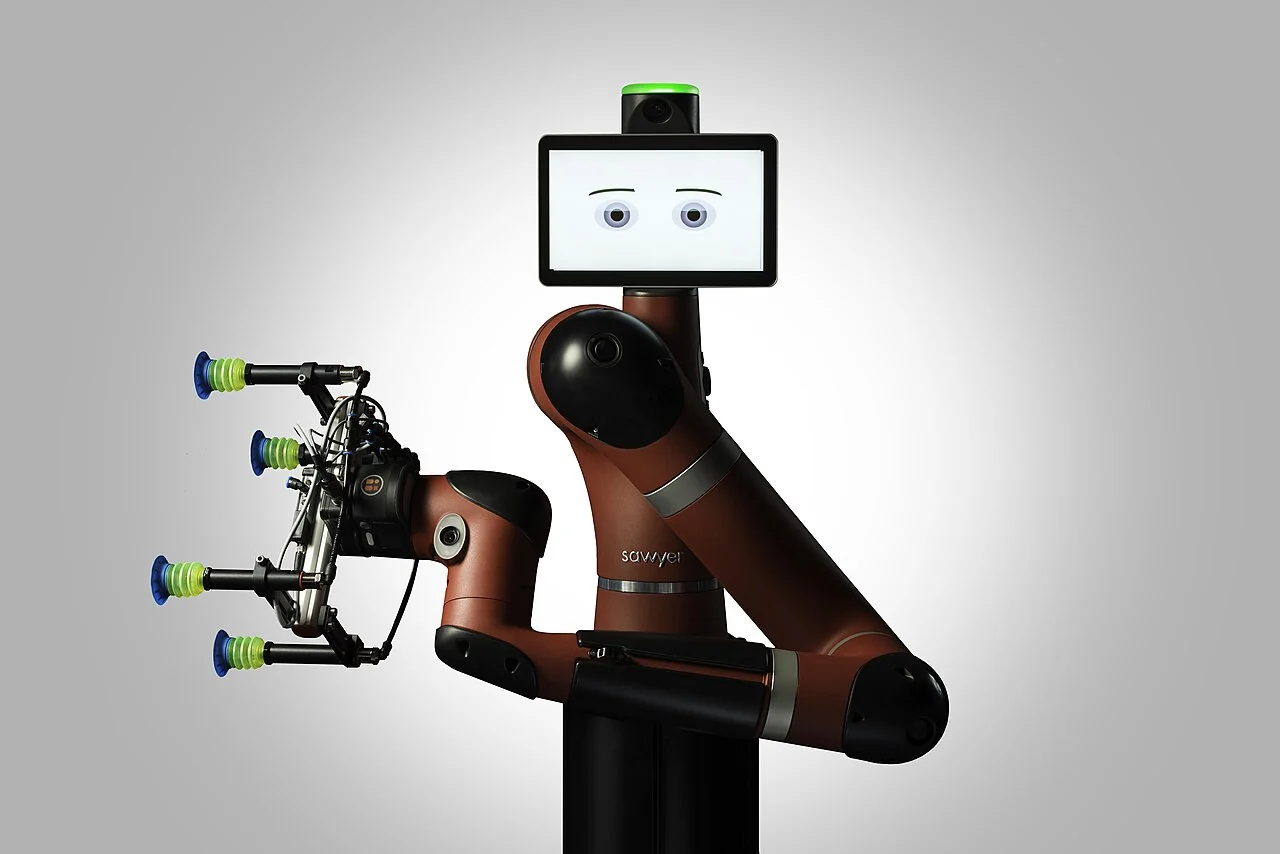
| Feature | MAiRANEURA Robotics · this robot | UR10eUniversal Robots | Panda (FER)Franka Emika | SawyerRethink Robotics |
|---|---|---|---|---|
| Market status | Commercially available | Commercially available | Discontinued | Discontinued |
| Application | Machine tending, Assembly | Machine tending, Packaging | Robotics research, Robot control research | Historical machine tending and inspection applications, Grasping and machine vision research |
| Deployment | Not confirmed | Not confirmed | Not confirmed | Not confirmed |
| Region | Not publicly confirmed | Netherlands | Not publicly confirmed | Not publicly confirmed |
| Difference | — | Different application: packaging | Different market status: discontinued | Different market status: discontinued |
| Link | View robot | View robot | View robot |

Frequently asked questions
Questions about MAiRA
What is the NEURA Robotics MAiRA?
NEURA Robotics MAiRA is a collaborative robot arm from NEURA Robotics from Germany, listed for machine tending, assembly and internal transport. Key figures: payload 9 to 18 kg, reach 1,100 to 1,600 mm. Some figures apply under specific conditions; see the robot profile. Market status: commercially available. Availability and deployment options should be confirmed with a supplier. Robotleasen does not sell robots; it helps businesses compare suppliers and recorded information.
What are the specifications of the NEURA Robotics MAiRA?
Key figures: payload 9 to 18 kg, reach 1,100 to 1,600 mm. Some figures apply under specific conditions; see the robot profile. Values as recorded on the robot profile, generally based on manufacturer information. Configuration and operating conditions can change the figures; confirm them with the supplier.
Which supplier is listed for the NEURA Robotics MAiRA?
NEURA Robotics MAiRA is listed under NEURA Robotics. Check local sales and support terms directly with the supplier.
Is the NEURA Robotics MAiRA available to buy or lease in the Netherlands?
Commercially available. Deployment: not confirmed. Whether this model is available to buy, rent or lease in the Netherlands depends on the supplier. Ask a supplier to confirm current availability.
How much does the NEURA Robotics MAiRA cost?
No reliable public price is listed for this model. Costs depend on configuration and supplier. Ask a supplier for price information

What is the NEURA Robotics MAiRA used for?
The applications listed for the NEURA Robotics MAiRA include machine tending, assembly and internal transport.
What are alternatives to the NEURA Robotics MAiRA?
Profiles include Universal Robots UR10e, Franka Emika Panda (FER) and Rethink Robotics Sawyer. Compare their applications, specifications and market status.
Next step
Could MAiRA fit your organisation?
Review the recorded market status, applications and alternatives for this robot. We do not sell robots ourselves, but help you compare suppliers and terms.
Sources and checks
Checked against the manufacturer · last checked
- Manufacturer neura-robotics.com
Specifications are generally based on manufacturer information and have not been measured by Robotleasen. See our editorial approach.