
First the application, then the model
A good robot choice starts with the workflow. Think of walking routes, floor, tasks, employees, safety, opening hours, data processing and desired performance.
Robot leasing and robot lease
Robot leasing, also called a robot lease, takes more than choosing a model. Explore robot types, applications, service and supplier information; availability and any lease terms should be checked directly with a supplier.
What to look out for
Make the task concrete: what should the robot do, how often and in which environment?
Check whether lease, rental, pilot or demo fits your organisation's stage better.
Look at training, installation, maintenance, support and possible integration with existing processes.
Also ask about insurance, software updates, data processing, fault response and replacement.
Short answer
For some robot categories, lease or rental arrangements are possible, but availability differs strongly per supplier, model and application. Robotleasen.com does not yet sell lease contracts itself; the site helps you explore the market and the enquiry route clearly.
A good robot choice starts with the workflow. Think of walking routes, floor, tasks, employees, safety, opening hours, data processing and desired performance.
Lease can suit longer use, rental temporary use and Robot-as-a-Service a service model with software, support and maintenance. The boundaries differ per supplier.
A monthly price says little without context. Model, service package, term, installation, training, insurance, software, integration and suitability of the location all count.
Video
Terms
This page covers robot leasing, also called a robot lease or leasing a robot. It is one topic: using a robot for an agreed period against periodic payment, often with service and maintenance, instead of buying it outright.
A robot lease is therefore not the same as renting a robot, which is usually shorter and more flexible, and not automatically the same as Robot-as-a-Service, which puts more emphasis on software and services. To look at a concrete lease or rental form, go to the supplier; Robotleasen.com does not conclude lease contracts itself.
Lease, rental or RaaS
Suitable for longer use with agreements on term, service, maintenance and support. The details differ per supplier.
Often more logical for events, temporary capacity, demos or a short pilot. Availability must always be checked per supplier.
A service model in which hardware, software, support and sometimes monitoring come together. Not every robot model is available for this.
At a glance
These are common distinctions, not fixed definitions. Suppliers do not always use the terms in the same way, so check the specific offer and contract.
| Aspect | Rental | Leasing | RaaS |
|---|---|---|---|
| Main focus | Use of a robot for an agreed period, often for a temporary need. | Use of robot hardware for an agreed contract term. | Robotics delivered as a service; hardware can be combined with agreed software and support. |
| Term and end | Check the rental period and the terms for return or extension. | Check the term, cancellation conditions and what happens to the robot at the end. | Check the service term, cancellation and what happens when the service ends or continues. |
| Service and software | Ask whether transport, setup, training and maintenance are included. | Service and maintenance may be separate or part of the agreement. | Software, support or maintenance may be part of the service; check exactly what is included. |
| Ask the supplier | Who handles delivery, user instruction, faults and collection? | Who is responsible for maintenance, and what options apply at the end? | Which services and service levels are agreed, and who handles faults? |
The categories can overlap: in its market research, IFR includes some lease and rental models where the supplier retains ownership under RaaS. This is a statistical definition; the supplier's contract remains decisive. See IFR World Robotics 2025 methodology.
Leasing and rental explained
This page explains leasing, rental and RaaS as possible deployment models. RobotLeasen does not provide finance, assess applications or enter into contracts. Suppliers determine their own offers and terms.
RobotLeasen does not publish lease prices here. Ask a supplier about costs for the model, service package, location and term.
Start with the application
What to ask about
Not every point is included in a contract by default. Use this as a checklist for conversations with suppliers, integrators or rental partners.
Think of a site check, route layout, mapping, configuration and first commissioning.
Employees need to know when the robot helps, when it does not, and how to work safely with it.
Ask about preventive maintenance, parts, software updates and who is responsible for faults.
For longer use, a swap or replacement agreement can be important. This depends on the service contract.
Look at CE, machine safety, work environment, liability, data and any privacy impact.
Check term, cancellability, insurance, support window, data processing and what is and is not included.
Cost factors
By robot type
Lease, rental and Robot-as-a-Service are arranged differently for each robot type. Below is what to check with a supplier for each type. Always check availability in the Netherlands with the supplier; RobotLeasen does not publish prices or lease amounts.
Which gripper and safety measures belong to the application, who does the risk assessment and who programs a new task?
Which process (welding, handling, palletising), which payload including gripper and who supplies the cell, safety and programming?
For which floor area and floor types is the model intended, who refills water and maintains it, and what happens in case of a fault?
Does the route width fit the dining room, how much load does the robot carry per table and who handles mapping and adjusting after a layout change?
Which load, which aisle width and which link to the warehouse system, and how is the robot maintained or replaced after a failure?
Is the model commercially available or a showcase, which tasks are confirmed and which safety requirements apply on the work floor?
Steps
Step 1
Note the task, how often, in which environment and with which result. Without measurable work an offer is hard to compare.
Step 2
Check floor, passages, doors, lifts, network and charging spot. Many suppliers ask about this up front.
Step 3
Lease, rental, pilot, Robot-as-a-Service or purchase: the best form depends on duration, risk and how much service you want to arrange yourself.
Step 4
Ask suppliers in writing about term, cancellation, service, insurance, updates, data and what happens in case of a fault.
Step 5
Where possible start with a demo or pilot on one route or workstation and decide up front what you want to measure.
Robot lease and RaaS look alike, but RaaS often bundles software and service too.
Lease, rental and pilot arrangements for cobots in manufacturing and SMEs.
Market status of humanoid robots and what is and is not confirmed.
Compare leasing and buying on service, risk, term and flexibility.
Describe the application and timing. RobotLeasen replies by email; details are not automatically forwarded to suppliers.
View suppliers by category and linked models.
FANUC, Yaskawa Motoman, KUKA and DJI: all models compared by payload and reach.
Robot directory
Whether a model can be leased, rented or used as Robot-as-a-Service differs per supplier. Check with the supplier.
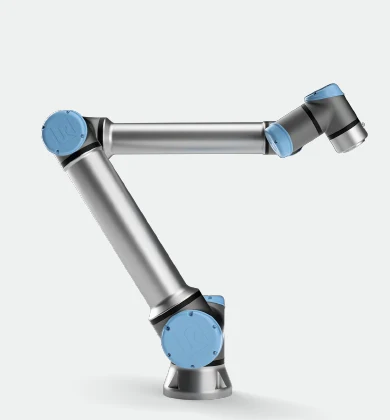
Universal Robots
Cobots · Machine tending
Collaborative robot arm commonly used for manufacturing, packaging and machine tending.
Netherlands
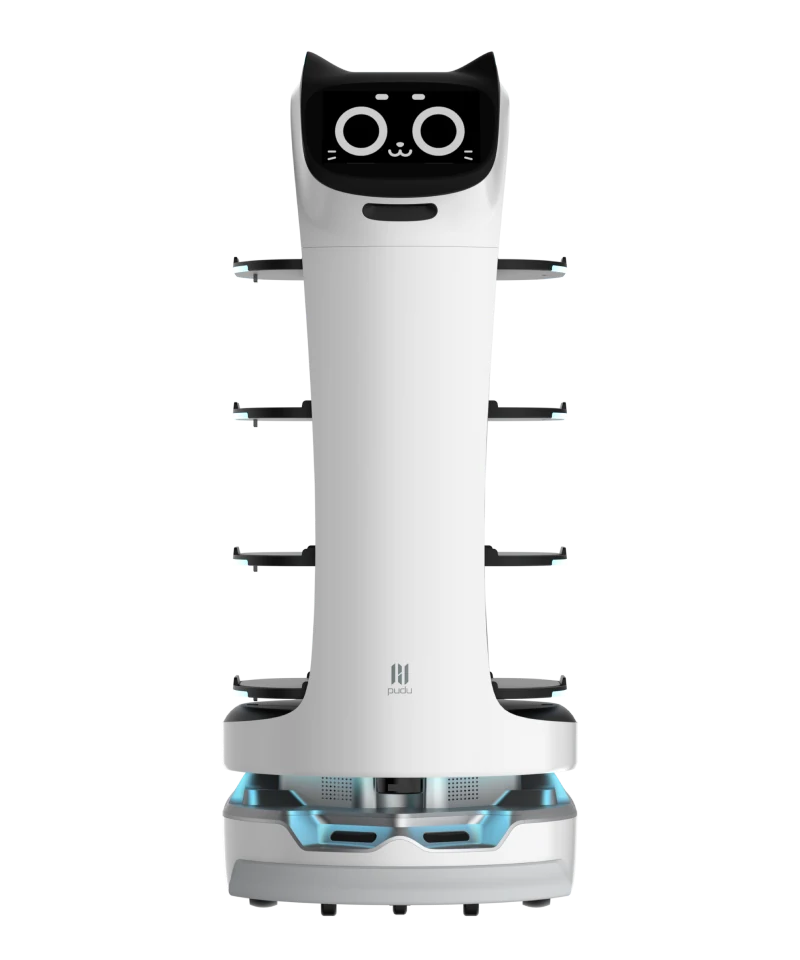
Pudu Robotics
Service robots · Hospitality
Serving robot for restaurants, hotels and hospitality venues.
Not publicly confirmed
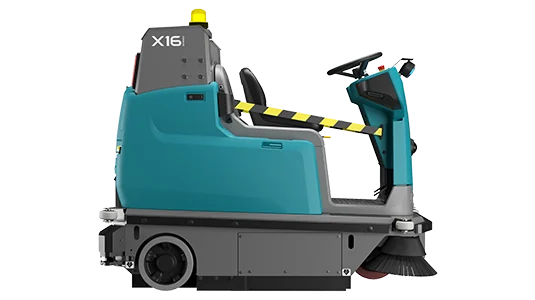
Tennant
Cleaning robots · Sweeping dry debris on industrial indoor floors
X16 SWEEP is an autonomous sweeper for industrial indoor floors.
Not publicly confirmed
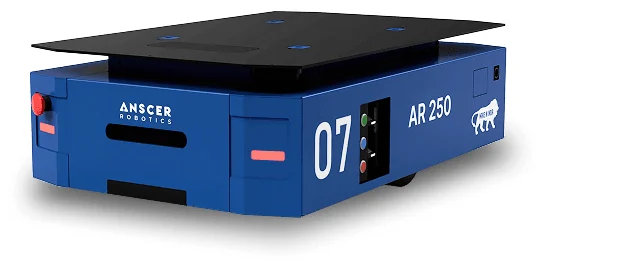
ANSCER Robotics
Logistics robots · Transporting internal material on shelves
AR is a family of autonomous transport robots with interchangeable upper structures for business material flows.
Not publicly confirmed
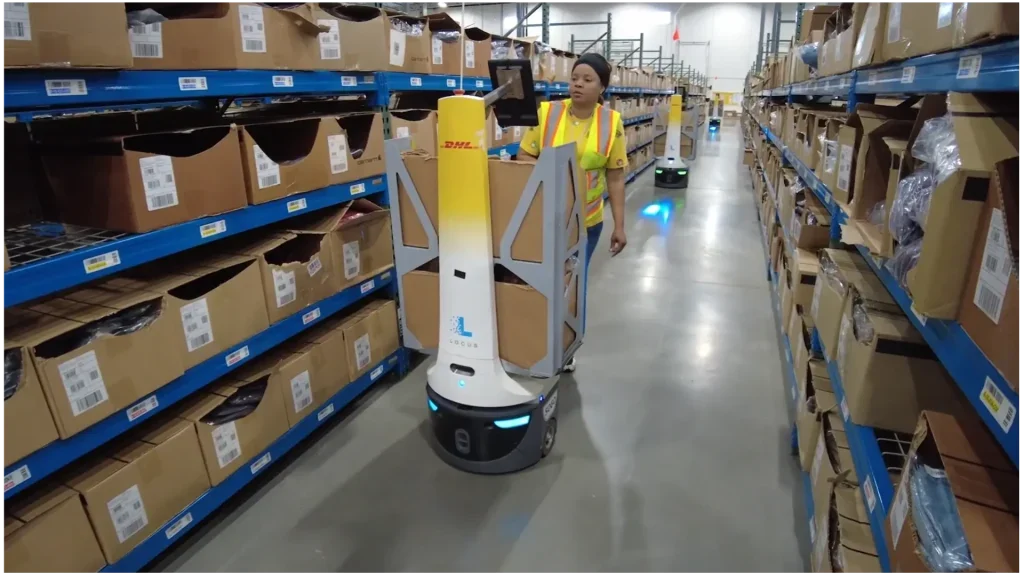
Locus Robotics
Warehouse robots · Autonomously picking items for orders
Locus Array is a complete mobile robot for autonomous warehouse item picking and handling.
Not publicly confirmed
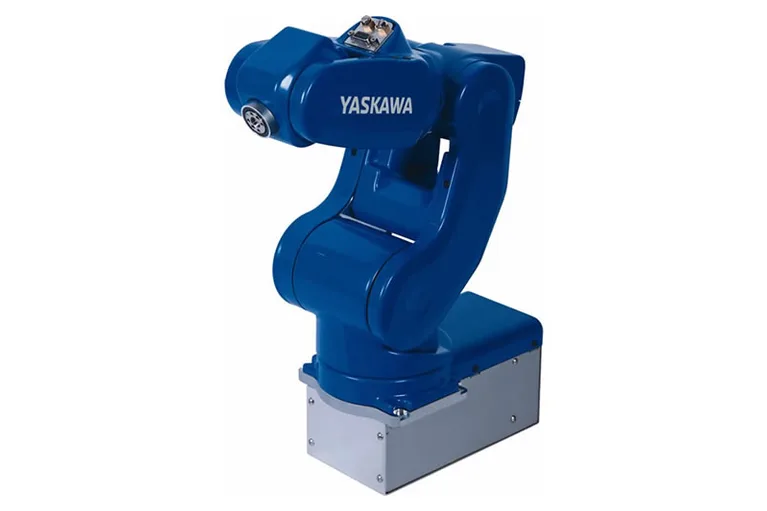
Yaskawa
Industrial robots · Assembly
The Motoman MOTOMINI is an assembly and handling robot from Yaskawa with 0.5 kg payload and 350 mm horizontal reach.
Not publicly confirmed
FAQ
Robot leasing means a company uses a robot for an agreed period against periodic payment instead of buying it outright. Service, maintenance and support are often part of the agreement. The exact terms differ per supplier.
In practice yes: a robot lease is the contract or service, leasing a robot is the act, and robot leasing is the common term used by suppliers. This page covers all of them.
Renting is often more temporary or event-oriented. A robot lease more often suits longer use with service, maintenance and agreements on support. Suppliers use their own definitions, so always ask what the offer includes.
That depends on the supplier, robot model, term, service package and location. Robotleasen.com does not publish prices or lease amounts; ask a supplier for the costs and what they cover.
Robotleasen.com is not a leasing company and does not conclude lease contracts. You can send a business robotics question describing your application and timing. RobotLeasen reviews your message and replies by email; it is not a finance application, and your details are not automatically forwarded to a supplier.
For cobots, some suppliers and integrators offer lease, rental or pilot arrangements; see cobot leasing. For humanoid robots, leasing is usually not confirmed; check the market status and ask the supplier about the options.
Serving robots, cleaning robots, AMRs and cobots are usually more concrete to assess than humanoid showcase models.
No. RobotLeasen does not issue supplier quotes. Contact a supplier directly about its offer and terms.
That differs per supplier. Always discuss installation, training, maintenance, software updates, fault response, insurance and possible replacement.
Not automatically. Lease can lower the entry threshold and bundle service, but total costs depend on term, use, maintenance and contract conditions.
Ask about CE, machine safety, liability, work environment, emergency procedures, data processing and privacy. Public or healthcare environments in particular call for extra care.
That differs per supplier and robot type and is not set by a standard. Ask about the minimum term, the notice period and what is possible at the end, such as extending, replacing or returning. RobotLeasen does not state fixed terms.
Some suppliers offer a demo, trial period or pilot, others do not. Ask what the pilot includes, how long it lasts and whether the arrangement can convert into a lease afterwards. Decide up front what you want to measure so you can make an informed choice afterwards.
That is set out in the contract. Sometimes the supplier handles maintenance and faults, sometimes the user or a service partner. Record who does preventive maintenance, what the response time is for a fault and who bears the cost of spare parts.
Describe the task, the hours per day, the location and the floor or environment, the desired period and who is responsible internally. With that information suppliers can more quickly say whether a model fits and which forms they offer.
No. RobotLeasen does not arrange financing, does not provide lease credit and does not enter into contracts. Financing a robot is subject to the terms of the lease company or financier you choose yourself.
Next step
Describe your business robotics question. RobotLeasen reviews your message and replies by email; no information is automatically forwarded to suppliers.
Compare suppliers by robot category, region and linked models.
View the supplier directory