
Supplying parts
Brings bins or parts to a production line at planned moments.
Intralogistics
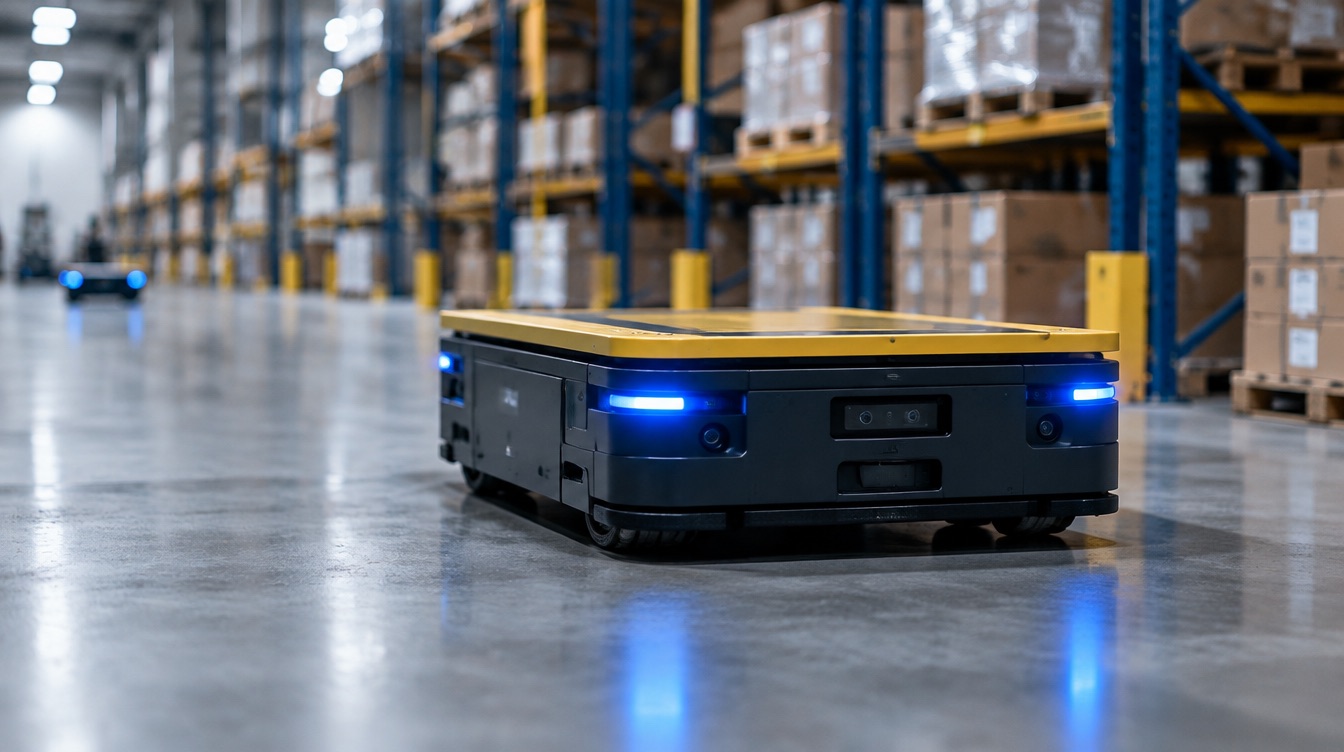
Move bins, parts, materials and pallets between fixed points in a warehouse or factory. Compare mobile robots on load, route, integrations and the space they need to drive in.
The task
An internal transport robot takes over recurring movements between workstations, storage, production and dispatch. An AMR can choose alternative routes within a map; an AGV usually follows more fixed routes or infrastructure. The suitable system depends on the load, traffic density and the link with the existing process.
In practice
Brings bins or parts to a production line at planned moments.
Moves material between receiving, storage, workstations and dispatch.
Supports repeated pallet movements when floor, charging points and handover fit.
Takes empty bins or return flows back without extra walking routes for staff.
Business considerations
Use these signals as a starting point for research, not as a guarantee of a result.
Comparing technologies
Navigates with sensors and a map. Route changes are often more flexible, but free passage and traffic rules are still needed.
Drives along predefined routes or infrastructure. This can suit stable, repeatable flows well.
Models
Linked on the basis of the recorded application and robot type. Check the suitability for your process per model.
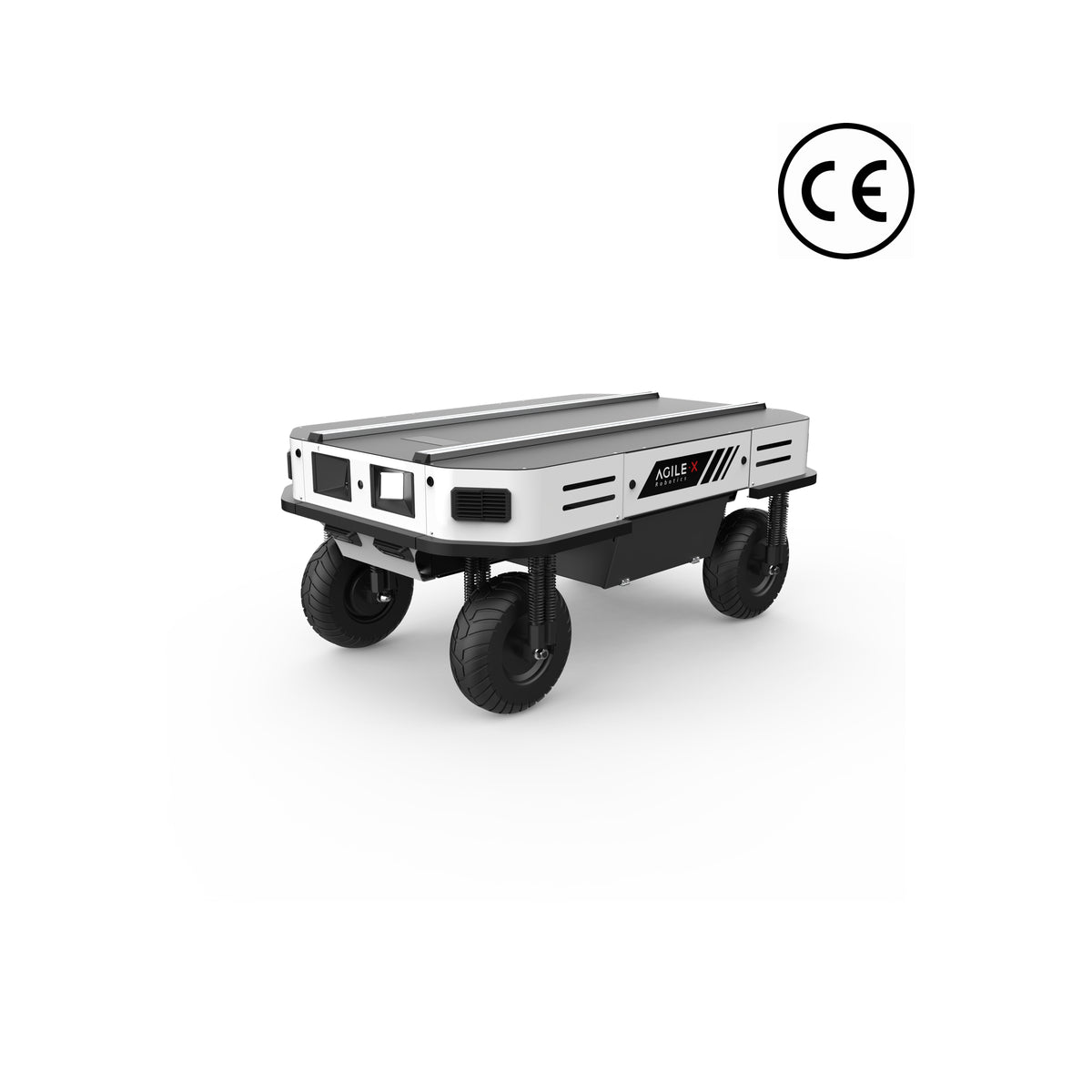
AgileX Robotics
Logistics robots · Internal transport
Payload: 150 kg
View robot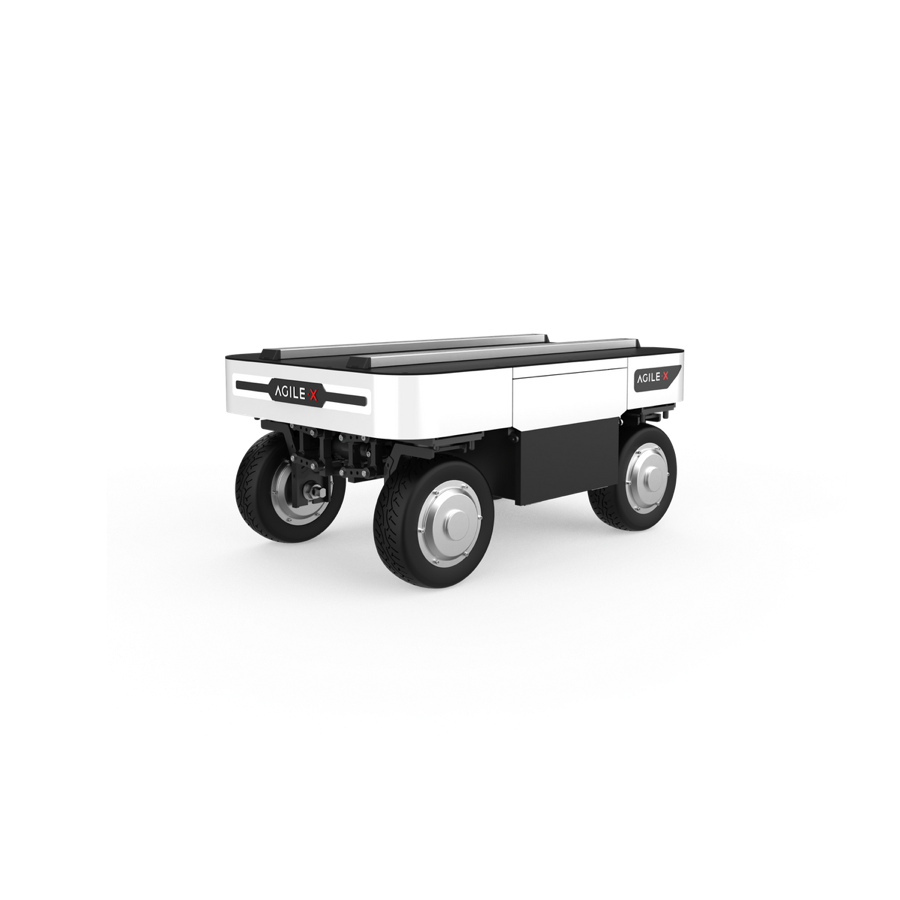
AgileX Robotics
Logistics robots · Internal transport
Payload: 120 kg
View robot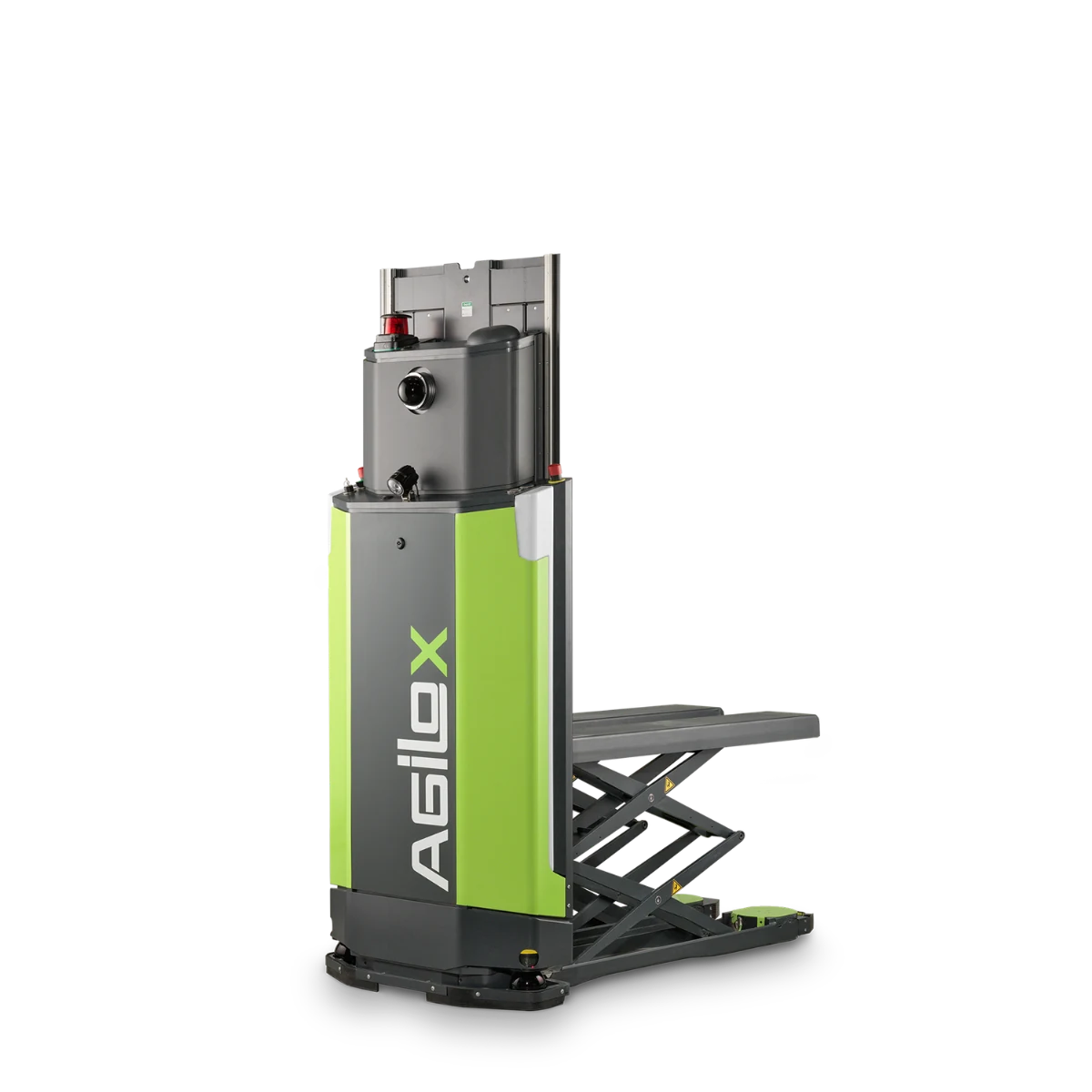
AGILOX
Logistics robots · Pallet transport
View robot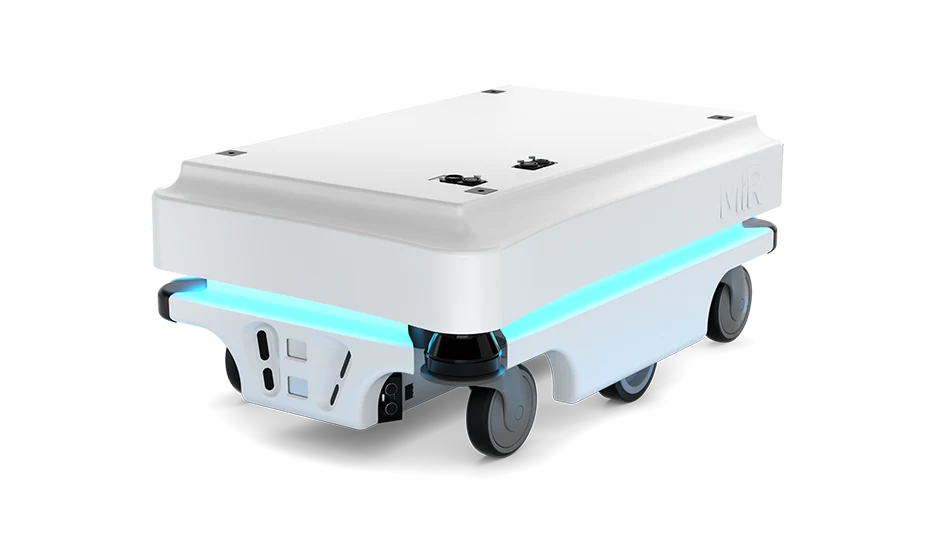
MiR
Logistics robots · Internal transport
View robot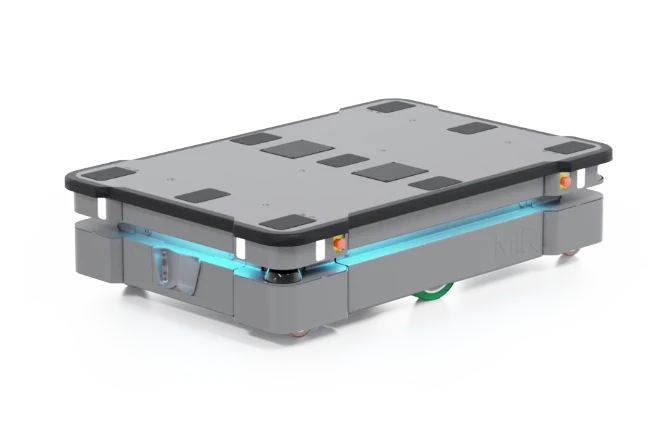
MiR
Logistics robots · Pallet transport
View robot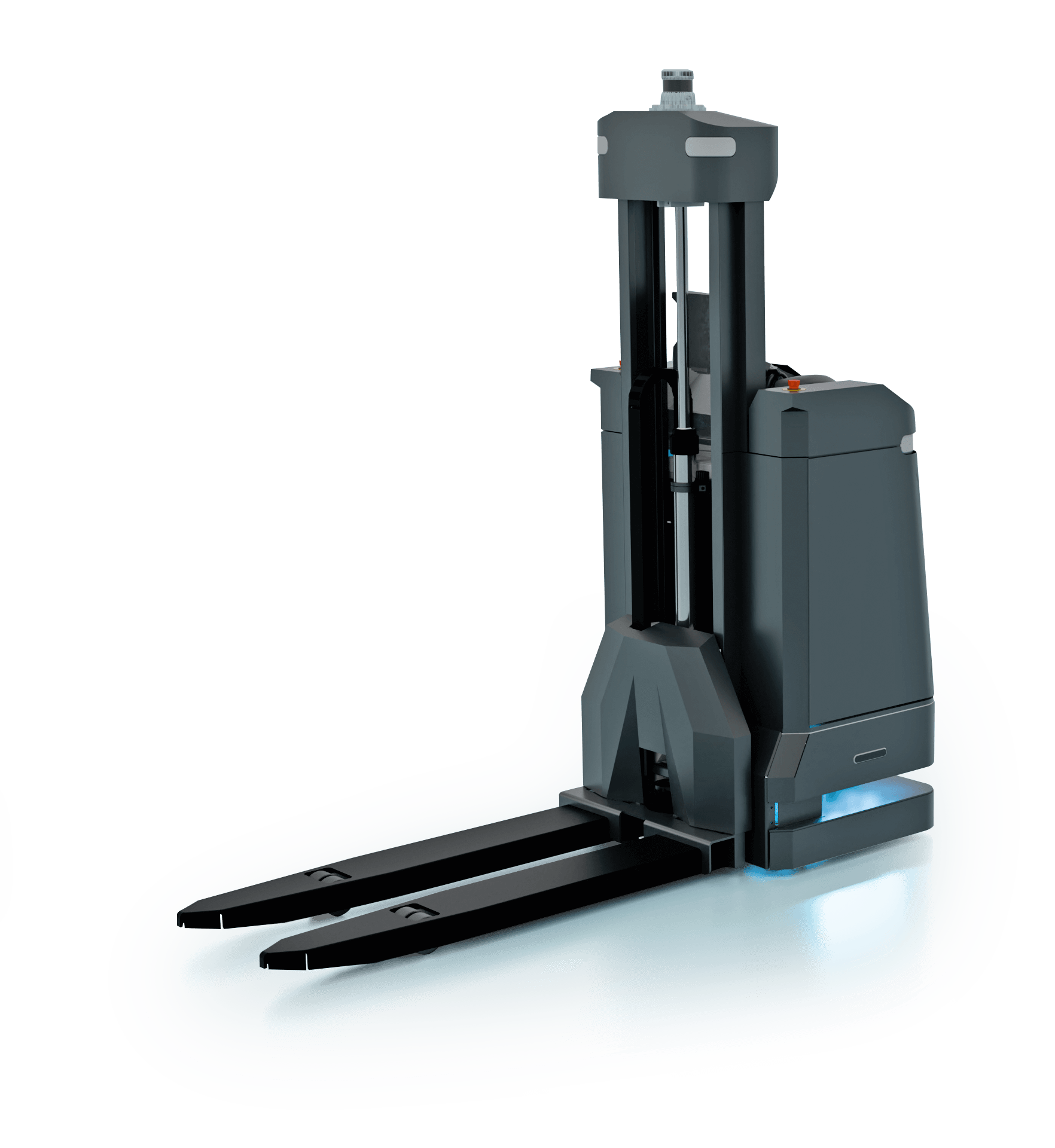
MiR
Logistics robots · Pallet transport
Payload: 1,200 kg
View robot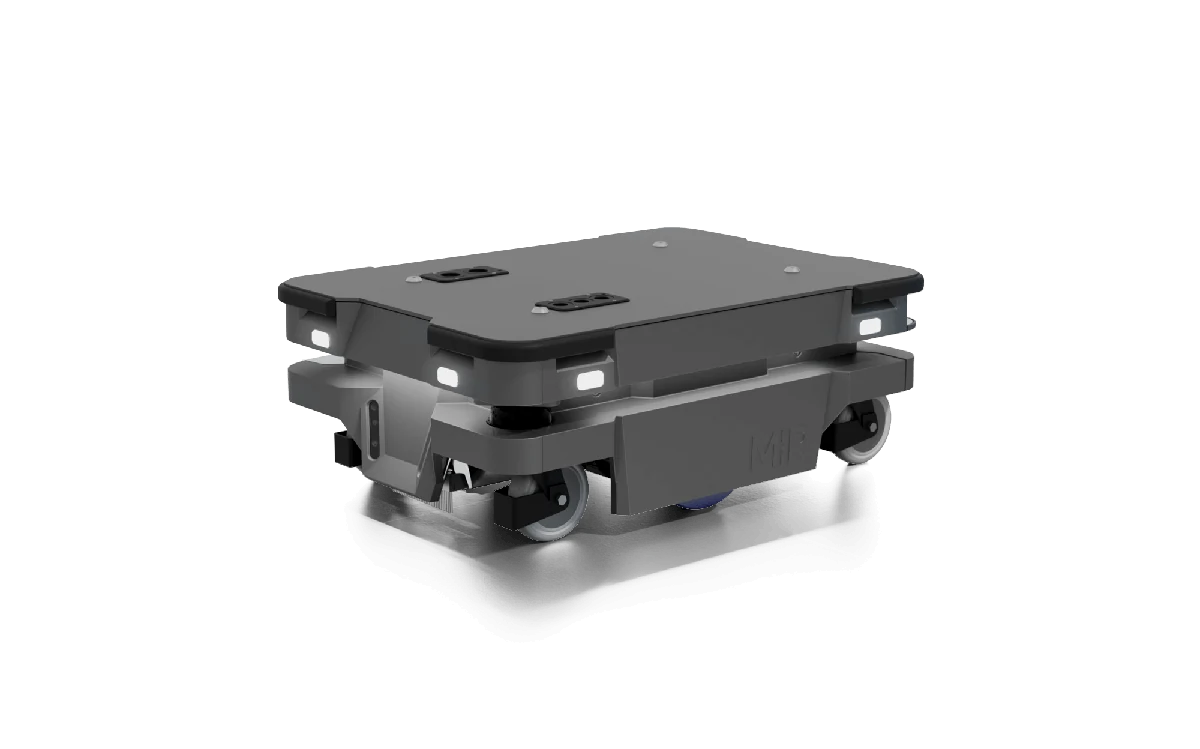
Mobile Industrial Robots
Logistics robots · Internal transport
Payload: 250 kg
View robot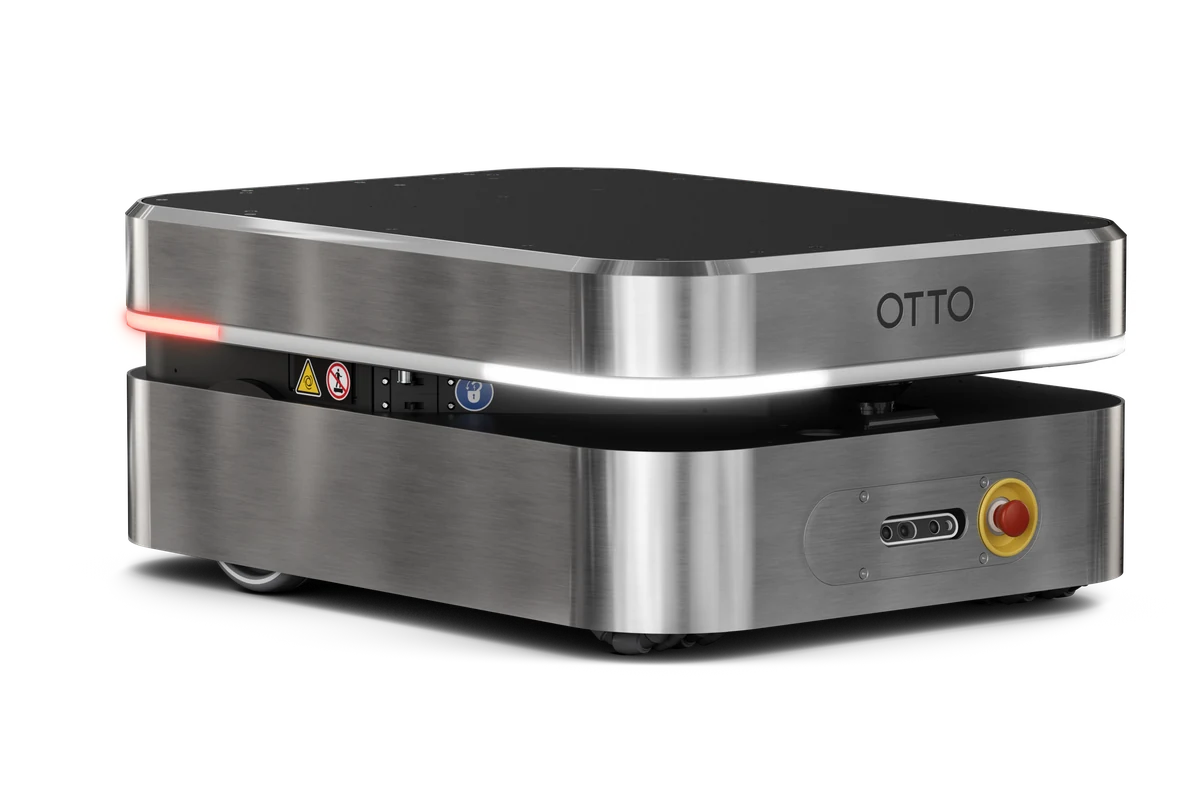
OTTO Motors
Warehouse robots · Internal transport
View robotSuppliers
These suppliers are linked to the robot models shown. Check delivery area, integration and service directly with the supplier.
The robot choice follows from the workplace and the process. Discuss these points before comparing models.
Frequently asked questions
A mobile robot that moves goods or materials between points within a building or site.
An AMR can generally navigate around obstacles more dynamically. An AGV usually drives along predefined routes or infrastructure. The exact capabilities differ per system.
That is possible with suitable systems and a well-organised environment. A risk assessment, traffic rules and safe handover remain necessary.
Some systems support this. Check the available interface and integration per model and supplier.
That depends on the model and its build: from small bins to heavy pallets. Use the confirmed load capacities per robot.
Start with the task and then test model, supplier and implementation.