
Warehouse robotsToyota Material HandlingCommercially available
Toyota Material Handling SAE160 Autopilot
By Toyota Material Handling Europe
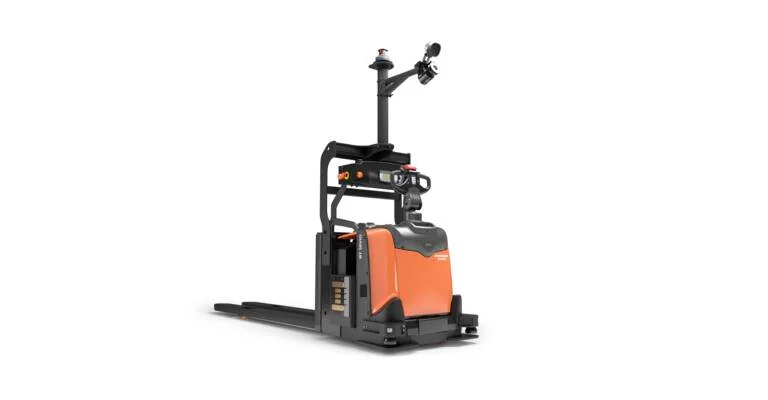
Toyota SAE160 Autopilot is an automated stacker within the manufacturer’s warehouse transport portfolio.
Toyota SAE160 Autopilot is an automated stacker within the manufacturer’s warehouse transport portfolio. The manufacturer distinguishes this vehicle from other automatic trucks and documents horizontal transport and stacking applications. This is the automated configuration. The current model comparison is the numeric reference. Older technical sheets with different mast details are kept separate. Project planning needs pallet type, load centre and permitted load at height established. Pickup and drop-off points also need attention because the vehicle forms part of a planned material flow. The country refers to the headquarters of the offering business unit, Toyota Material Handling Europe, in Sweden.
Status 2026
Commercially availableThis model is listed as commercially available. Delivery, configuration and support vary by supplier and region.- PrecisionAutomated pallet transport
- PrecisionPallet stacking within a planned material flow
- Payload
- Max. 1,600 kg, current model comparison
- Lift height
- Max. 470 cm, current model comparison
- Speed
- Max. 2.2 m/s, current model comparison
The most weight it can carry or lift.
How high it can lift a load.
Its top speed.
Figures come from the current model comparison, not a confirmed combined load/lift-height/speed operating point. Older mast weights are not combined with current maxima.
What is Toyota Material Handling SAE160 Autopilot?
Toyota Material Handling SAE160 Autopilot is a warehouse robot from Toyota Material Handling Europe from Sweden, listed for automated pallet transport and pallet stacking within a planned material flow. Key figures: payload Max. 1,600 kg, current model comparison, lift height Max. 470 cm, current model comparison, speed Max. 2.2 m/s, current model comparison. Market status: commercially available. Availability and deployment options should be confirmed with a supplier. Robotleasen does not sell robots; it helps businesses compare suppliers and recorded information.
How does it compare with other warehouse robots?
We compare each value with the other warehouse robots in our guide for which it is known. Typical is the middle half. Values according to the manufacturers; caveats are noted with the key figures at the top.
- Payload1,600kg
High for a warehouse robot
Of the 112 others, 14 carry more, 5 the same and 93 less.
Typical: 300 to 1,500 kg
- Speed2.2m/s
Fast for a warehouse robot
Of the 94 others, 11 are faster, 1 as fast and 82 slower.
Typical: 1.5 to 2 m/s
Application
What was SAE160 Autopilot developed for?
Automated pallet transport
Pallet stacking within a planned material flow
Business fit
When might SAE160 Autopilot be a fit?
An initial view based on the recorded category and model information
What Toyota Material Handling says
- Product identity: SAE160 Autopilot
- Payload: Max. 1,600 kg, current model comparison
May be suitable for
- Organisations assessing a robot for a defined task and work environment.
- Teams comparing the robot's recorded profile with other options.
- Businesses that want to validate the application and integration requirements.
Considerations
- Confirm capabilities and current availability with the manufacturer or supplier.
- Check the work environment, integration needs and local support before selecting a model.
Facts
Did you know?
Notable facts about SAE160 Autopilot, its manufacturer and this type of robot
An AGV follows fixed lines, magnets or reflectors. An AMR navigates on a map and drives around obstacles by itself.
The safety standard ISO 3691-4 applies to autonomous transport robots in companies.
Source: ISO 3691-4Robotleasen lists 3 robots from Toyota Material Handling. You can find them all on the supplier page.
Video
SAE160 Autopilot in action
Official manufacturer video of this robot model.
Market and supply
Is SAE160 Autopilot available?
A profile status is not a confirmed offer or delivery time
What is settled?
Checked 2 October 2026- Market statusCommercially availableconfirmed
The model is on sale; you can request it from a supplier.
- RegionNot publicly confirmednot confirmed
Not known whether it is supplied in the Netherlands. Ask a supplier.
- Lease / RaaSNot confirmednot confirmed
No supplier has confirmed lease or robot-as-a-service.
- RentalNot confirmednot confirmed
No supplier has confirmed rental.
1 of 4 settled. The rest depends on the supplier.
Ask about availabilityManufacturer
Toyota Material Handling Europe
Organisation named in the documentation for SAE160 Autopilot. This profile links to product or developer information; current support and supply are unconfirmed.
OUR INTERPRETATION
Our perspective on SAE160 Autopilot
Toyota SAE160 Autopilot is an automated stacker within the manufacturer’s warehouse transport portfolio. The manufacturer distinguishes this vehicle from other automatic trucks and documents horizontal transport and stacking applications. This is the automated configuration. The current model comparison is the numeric reference. Older technical sheets with different mast details are kept separate. Project planning needs pallet type, load centre and permitted load at height established. Pickup and drop-off points also need attention because the vehicle forms part of a planned material flow. The country refers to the headquarters of the offering business unit, Toyota Material Handling Europe, in Sweden.
Lease or rent
Can you lease this robot?
Leasing options for this model are not in our data. Ask the supplier about leasing, rental or Robot-as-a-Service, or use our request page for advice.
Compare
Compare SAE160 Autopilot with alternatives
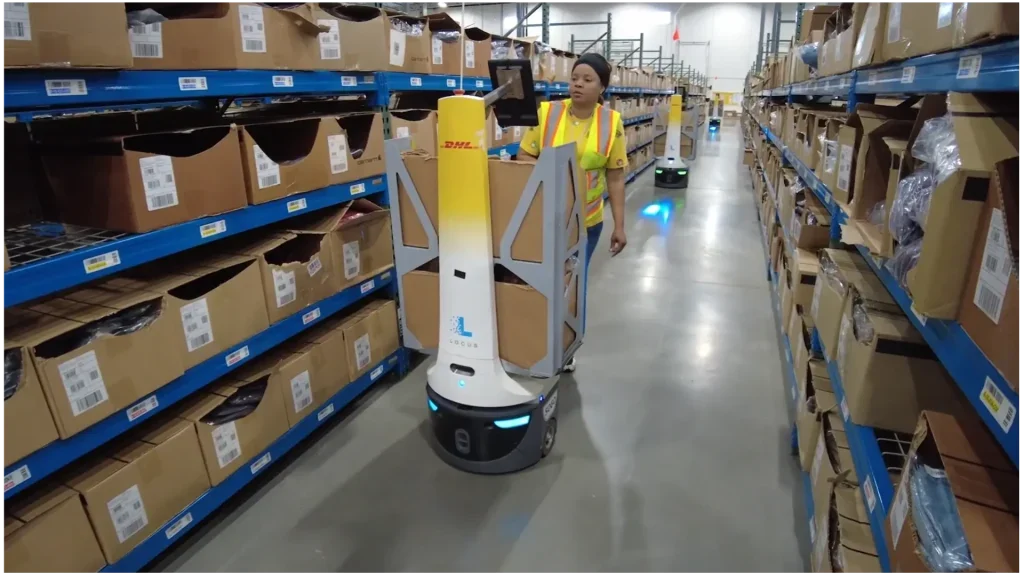
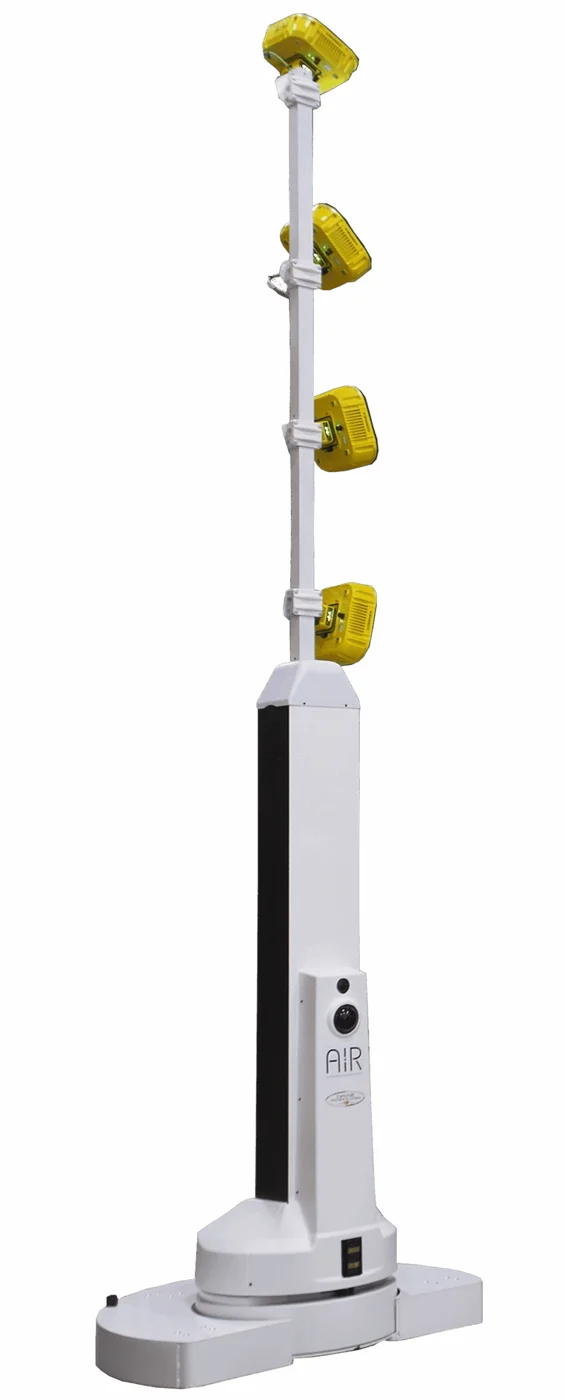
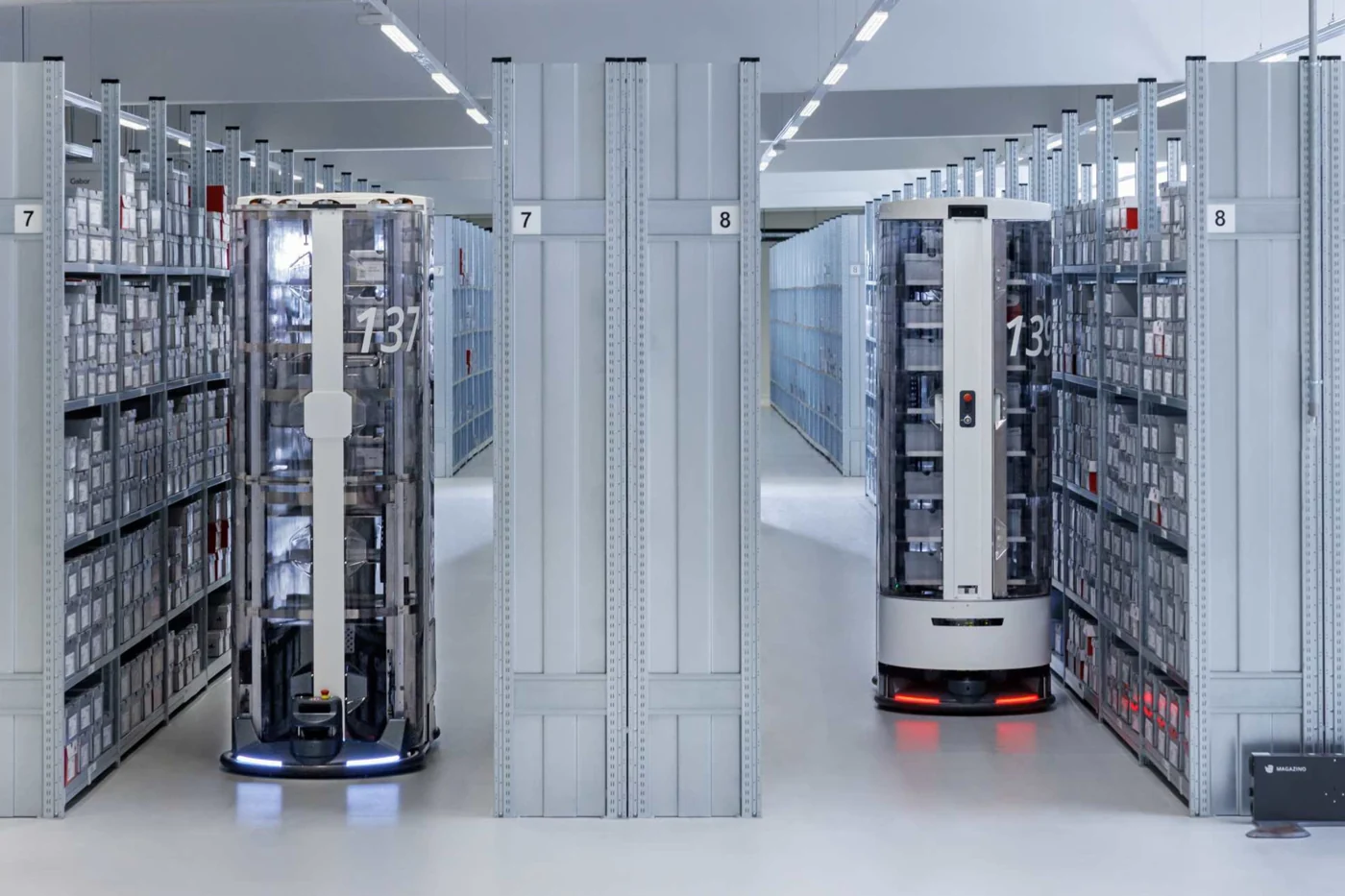
| Feature | SAE160 AutopilotToyota Material Handling · this robot | Locus ArrayLocus Robotics | AiR FamilyDane Technologies | TORUMagazino |
|---|---|---|---|---|
| Market status | Commercially available | Commercially available | Commercially available | Commercially available |
| Application | Automated pallet transport, Pallet stacking within a planned material flow | Autonomously picking items for orders, Re-slotting items and performing inventory checks | Scanning inventory locations in warehouse racks, Recording shelf inventory with the Retail configuration | Autonomous storage and retrieval of shoe boxes, Item-specific picking and transport of suitable boxes or totes |
| Deployment | Not confirmed | Not confirmed | Not confirmed | Not confirmed |
| Region | Not publicly confirmed | Not publicly confirmed | Not publicly confirmed | Not publicly confirmed |
| Difference | — | Different application: autonomously picking items for orders | Different application: scanning inventory locations in warehouse racks | Different application: autonomous storage and retrieval of shoe boxes |
| Link | View robot | View robot | View robot |

Frequently asked questions
Questions about SAE160 Autopilot
What is the Toyota Material Handling SAE160 Autopilot?
Toyota Material Handling SAE160 Autopilot is a warehouse robot from Toyota Material Handling Europe from Sweden, listed for automated pallet transport and pallet stacking within a planned material flow. Key figures: payload Max. 1,600 kg, current model comparison, lift height Max. 470 cm, current model comparison, speed Max. 2.2 m/s, current model comparison. Market status: commercially available. Availability and deployment options should be confirmed with a supplier. Robotleasen does not sell robots; it helps businesses compare suppliers and recorded information.
What are the specifications of the Toyota Material Handling SAE160 Autopilot?
Key figures: payload Max. 1,600 kg, current model comparison, lift height Max. 470 cm, current model comparison, speed Max. 2.2 m/s, current model comparison. Figures come from the current model comparison, not a confirmed combined load/lift-height/speed operating point. Older mast weights are not combined with current maxima.
Which supplier is listed for the Toyota Material Handling SAE160 Autopilot?
Toyota Material Handling SAE160 Autopilot is listed under Toyota Material Handling Europe, based in Sweden. Check local sales and support terms directly with the supplier.
Is the Toyota Material Handling SAE160 Autopilot available to buy or lease in the Netherlands?
Commercially available. Deployment: not confirmed. Whether this model is available to buy, rent or lease in the Netherlands depends on the supplier. Ask a supplier to confirm current availability.
How much does the Toyota Material Handling SAE160 Autopilot cost?
No reliable public price is listed for this model. Costs depend on configuration and supplier. Ask a supplier for price information

What is the Toyota Material Handling SAE160 Autopilot used for?
The applications listed for the Toyota Material Handling SAE160 Autopilot include automated pallet transport and pallet stacking within a planned material flow.
What are alternatives to the Toyota Material Handling SAE160 Autopilot?
Profiles include Locus Robotics Locus Array, Dane Technologies AiR Family and Magazino TORU. Compare their applications, specifications and market status.
Next step
Could SAE160 Autopilot fit your organisation?
Review the recorded market status, applications and alternatives for this robot. We do not sell robots ourselves, but help you compare suppliers and terms.
Sources and checks
Checked against the manufacturer · last checked
- Manufacturer toyota-forklifts.eu
Specifications are generally based on manufacturer information and have not been measured by Robotleasen. See our editorial approach.