
ExoskeletonsCyberdyneCommercially available
Cyberdyne HAL Lumbar Type for Well-being
By CYBERDYNE
The Cyberdyne HAL Lumbar Type is a 3 kg powered back exoskeleton that uses bioelectrical signals.
The HAL Lumbar Type for Well-being from Japan's Cyberdyne supports the lower back of caregivers and is also used to train body function of care recipients. According to the manufacturer it weighs 3 kg, operating time is about 4.5 hours and charging time about 2 hours. It fits users of about 140 to 180 cm and 40 to 80 kg. Separate conditions apply to medical use and CE marking; those have not been assessed.
Status 2026
Commercially availableThis model is listed as commercially available. Delivery, configuration and support vary by supplier and region.- Handling and touchExoskeleton
Wearable device intended to support the body during heavy, prolonged or overhead work.
- ModularPowered lumbar exoskeleton for care
In the exoskeletons category.
- Weight
- 3 kg
What the robot itself weighs.
Values as recorded on the robot profile, generally based on manufacturer information. Configuration and operating conditions can change the figures; confirm them with the supplier.
What is Cyberdyne HAL Lumbar Type for Well-being?
Cyberdyne HAL Lumbar Type for Well-being is an exoskeleton from CYBERDYNE from Japan, listed for healthcare and back support. Key figures: weight 3 kg. Market status: commercially available. Availability and deployment options should be confirmed with a supplier. Robotleasen does not sell robots; it helps businesses compare suppliers and recorded information.
How does it compare with other exoskeletons?
We compare each value with the other exoskeletons in our guide for which it is known. Typical is the middle half. Values according to the manufacturers; caveats are noted with the key figures at the top.
- Runtime4.5h
Typical for an exoskeleton
Of the 9 others, 2 run longer per charge, 1 as long and 6 shorter.
Typical: 1 to 4.5 h
- Weight3kg
Typical for an exoskeleton
Of the 30 others, 13 are heavier, 3 the same weight and 14 lighter.
Typical: 1.2 to 5.7 kg
Application
What was HAL Lumbar Type for Well-being developed for?
Healthcare
Back support
Business fit
When might HAL Lumbar Type for Well-being be a fit?
An initial view based on the recorded category and model information
May be suitable for
- Organisations assessing a robot for a defined task and work environment.
- Teams comparing the robot's recorded profile with other options.
- Businesses that want to validate the application and integration requirements.
Considerations
- Confirm capabilities and current availability with the manufacturer or supplier.
- Check the work environment, integration needs and local support before selecting a model.
Facts
Did you know?
Notable facts about HAL Lumbar Type for Well-being, its manufacturer and this type of robot
- 2019
In a 2019 discussion paper, EU-OSHA wrote that the long-term health effects of exoskeletons were still uncertain. The paper also discusses that when designing workplaces the hierarchy of prevention is leading, rather than relying on exoskeletons for an ergonomic work environment.
Source: EU-OSHA, The impact of using exoskeletons on occupational safety and health (2019, discussion paper) - 2014
ISO 13482:2014 is a safety standard for personal care robots (mobile servant, physical assistant, person carrier); the ISO page states that a revision is expected. Which standards or rules apply to a particular exoskeleton depends on the model and its intended use: ask the provider for conformity information.
Source: ISO 13482:2014
Market and supply
Is HAL Lumbar Type for Well-being available?
A profile status is not a confirmed offer or delivery time
What is settled?
Checked 7 October 2026- Market statusCommercially availableconfirmed
The model is on sale; you can request it from a supplier.
- RegionNot publicly confirmednot confirmed
Not known whether it is supplied in the Netherlands. Ask a supplier.
- Lease / RaaSNot confirmednot confirmed
No supplier has confirmed lease or robot-as-a-service.
- RentalNot confirmednot confirmed
No supplier has confirmed rental.
1 of 4 settled. The rest depends on the supplier.
Ask about availabilityManufacturer
CYBERDYNE
Organisation named in the documentation for HAL Lower Limb FL08. This profile links to product or developer information; current support and supply are unconfirmed.
OUR INTERPRETATION
Our perspective on HAL Lumbar Type for Well-being
The HAL Lumbar Type for Well-being from Japan's Cyberdyne supports the lower back of caregivers and is also used to train body function of care recipients. According to the manufacturer it weighs 3 kg, operating time is about 4.5 hours and charging time about 2 hours. It fits users of about 140 to 180 cm and 40 to 80 kg. Separate conditions apply to medical use and CE marking; those have not been assessed.
Lease or rent
Can you lease this robot?
Leasing options for this model are not in our data. Ask the supplier about leasing, rental or Robot-as-a-Service, or use our request page for advice.
Compare
Compare HAL Lumbar Type for Well-being with alternatives
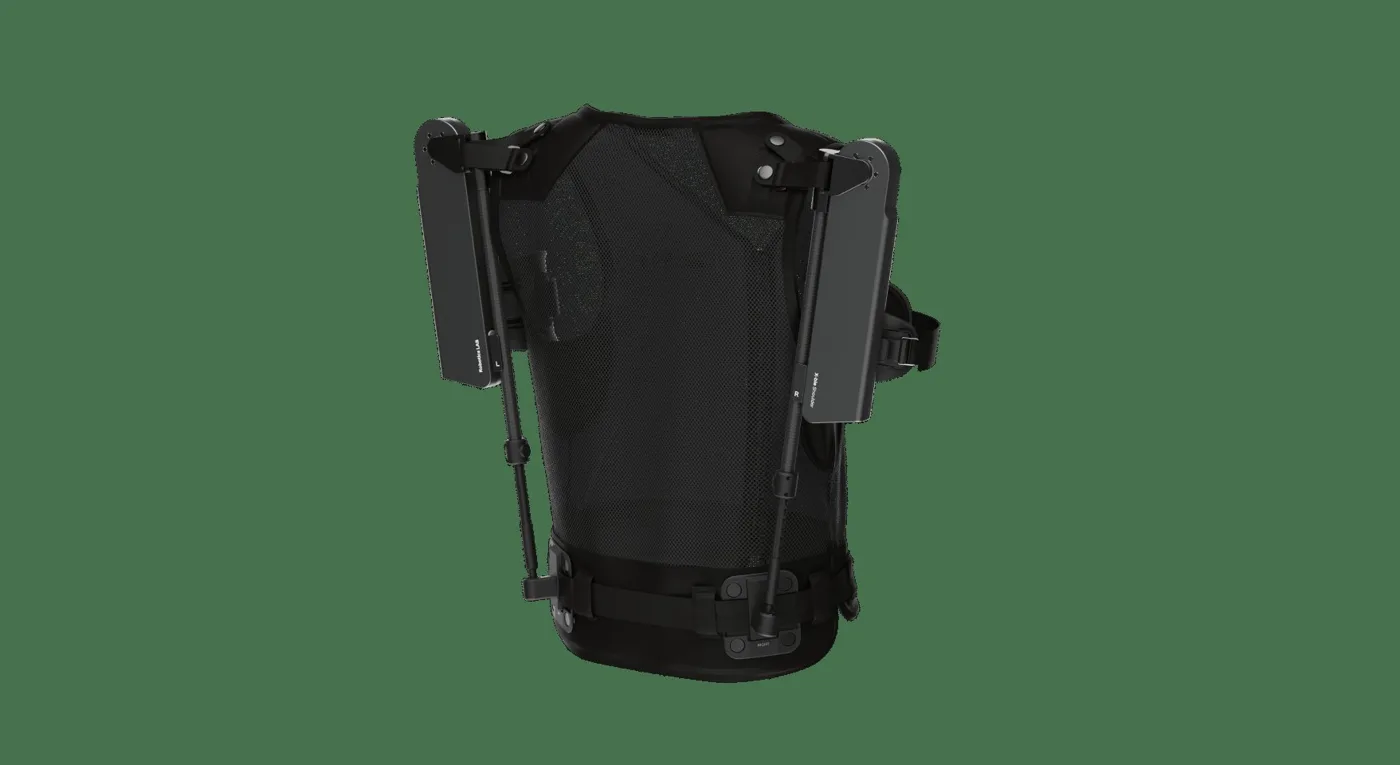
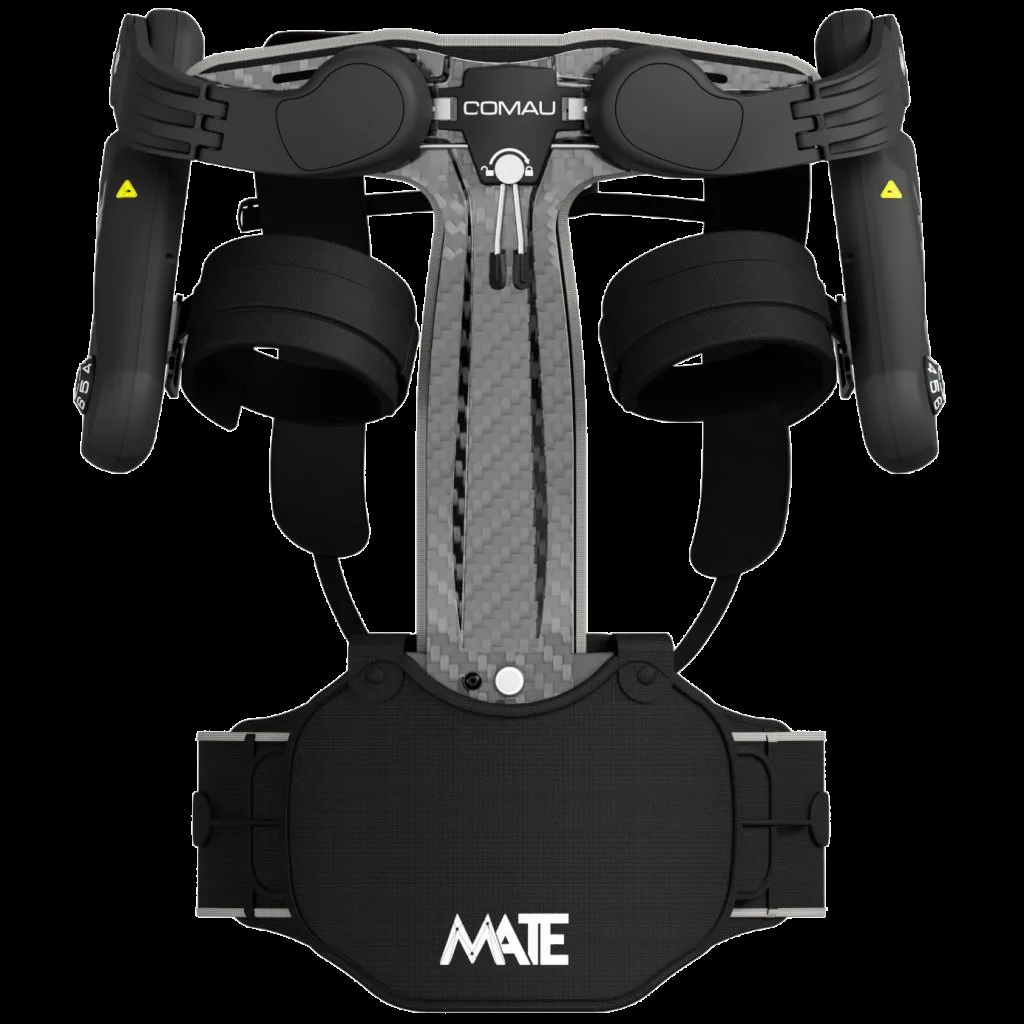
| Feature | HAL Lumbar Type for Well-beingCyberdyne · this robot | X-ble ShoulderHyundai Motor Group | MATE-XT GOComau | Paexo BackOttobock |
|---|---|---|---|---|
| Market status | Commercially available | Commercially available | Commercially available | Commercially available |
| Application | Healthcare, Back support | Overhead work, Assembly | Overhead work, Assembly | Lifting, Warehouse and logistics |
| Deployment | Not confirmed | Not confirmed | Not confirmed | Not confirmed |
| Region | Not publicly confirmed | Not publicly confirmed | Not publicly confirmed | Not publicly confirmed |
| Difference | — | Different application: overhead work | Different application: overhead work | Different application: lifting |
| Link | View robot | View robot | View robot |
Frequently asked questions
Questions about HAL Lumbar Type for Well-being
What is the Cyberdyne HAL Lumbar Type for Well-being?
Cyberdyne HAL Lumbar Type for Well-being is an exoskeleton from CYBERDYNE from Japan, listed for healthcare and back support. Key figures: weight 3 kg. Market status: commercially available. Availability and deployment options should be confirmed with a supplier. Robotleasen does not sell robots; it helps businesses compare suppliers and recorded information.
What are the specifications of the Cyberdyne HAL Lumbar Type for Well-being?
Key figures: weight 3 kg. Values as recorded on the robot profile, generally based on manufacturer information. Configuration and operating conditions can change the figures; confirm them with the supplier.
Which supplier is listed for the Cyberdyne HAL Lumbar Type for Well-being?
Cyberdyne HAL Lumbar Type for Well-being is listed under CYBERDYNE, based in Japan. Check local sales and support terms directly with the supplier.
Is the Cyberdyne HAL Lumbar Type for Well-being available to buy or lease in the Netherlands?
Commercially available. Deployment: not confirmed. Whether this model is available to buy, rent or lease in the Netherlands depends on the supplier. Ask a supplier to confirm current availability.
How much does the Cyberdyne HAL Lumbar Type for Well-being cost?
No reliable public price is listed for this model. Costs depend on configuration and supplier. Ask a supplier for price information
What is the Cyberdyne HAL Lumbar Type for Well-being used for?
The applications listed for the Cyberdyne HAL Lumbar Type for Well-being include healthcare and back support.
What are alternatives to the Cyberdyne HAL Lumbar Type for Well-being?
Profiles include Hyundai Motor Group X-ble Shoulder, Comau MATE-XT GO and Ottobock Paexo Back. Compare their applications, specifications and market status.
Next step
Could HAL Lumbar Type for Well-being fit your organisation?
Review the recorded market status, applications and alternatives for this robot. We do not sell robots ourselves, but help you compare suppliers and terms.
Sources and checks
Checked against the manufacturer · last checked
- Manufacturer cyberdyne.jp
Specifications are generally based on manufacturer information and have not been measured by Robotleasen. See our editorial approach.