
Warehouse aisles
Cleans repeated routes between racks when passages are clear and predictable.
Industrial floor care
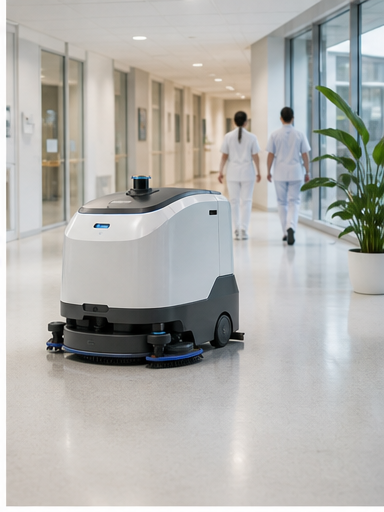
Warehouse floors call for a different approach than a small office. See autonomous scrubbing and sweeping robots for larger halls, with attention to dust, obstacles, traffic routes and floor finish.
The task
A cleaning robot for a warehouse or industrial hall handles recurring floor cleaning on large indoor surfaces. Some models scrub and pick up water; others sweep dust and coarser dirt. The right method follows from the floor, the type of soiling and the traffic in the hall. Edges, spills and unexpected obstacles still call for human checks.
In practice
Cleans repeated routes between racks when passages are clear and predictable.
Supports floor care around work zones, with attention to safety rules and soiling.
Needs extra attention to forklift traffic, pallets and changing obstacles.
A sweeping robot can suit better than wet scrubbing when the soiling calls for it.
Business considerations
Use these signals as a starting point for research, not as a guarantee of a result.
Comparing technologies
Cleans suitable hard floors wet and picks up dirty water. Water tanks and floor finish determine use.
Picks up dust and coarser dry dirt. This can make sense in logistics and industrial environments.
Models
Linked on the basis of the recorded application and robot type. Check the suitability for your process per model.
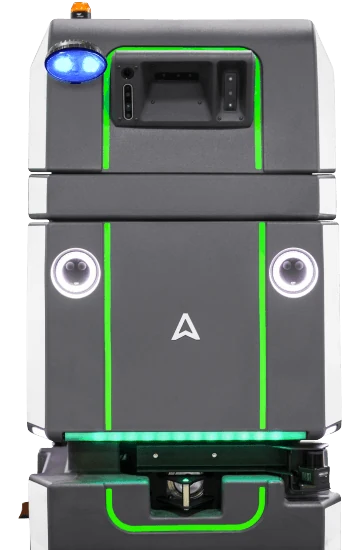
Avidbots
Cleaning robots · Warehouses
View robot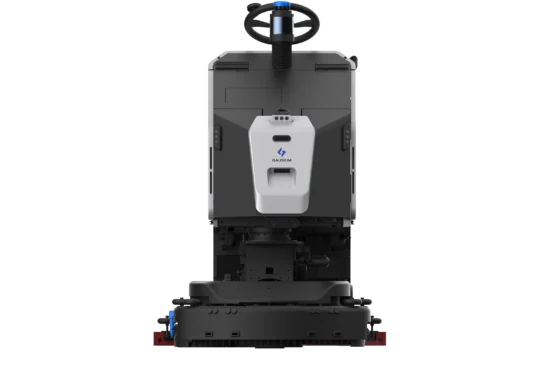
Gausium
Cleaning robots · Warehouse
View robot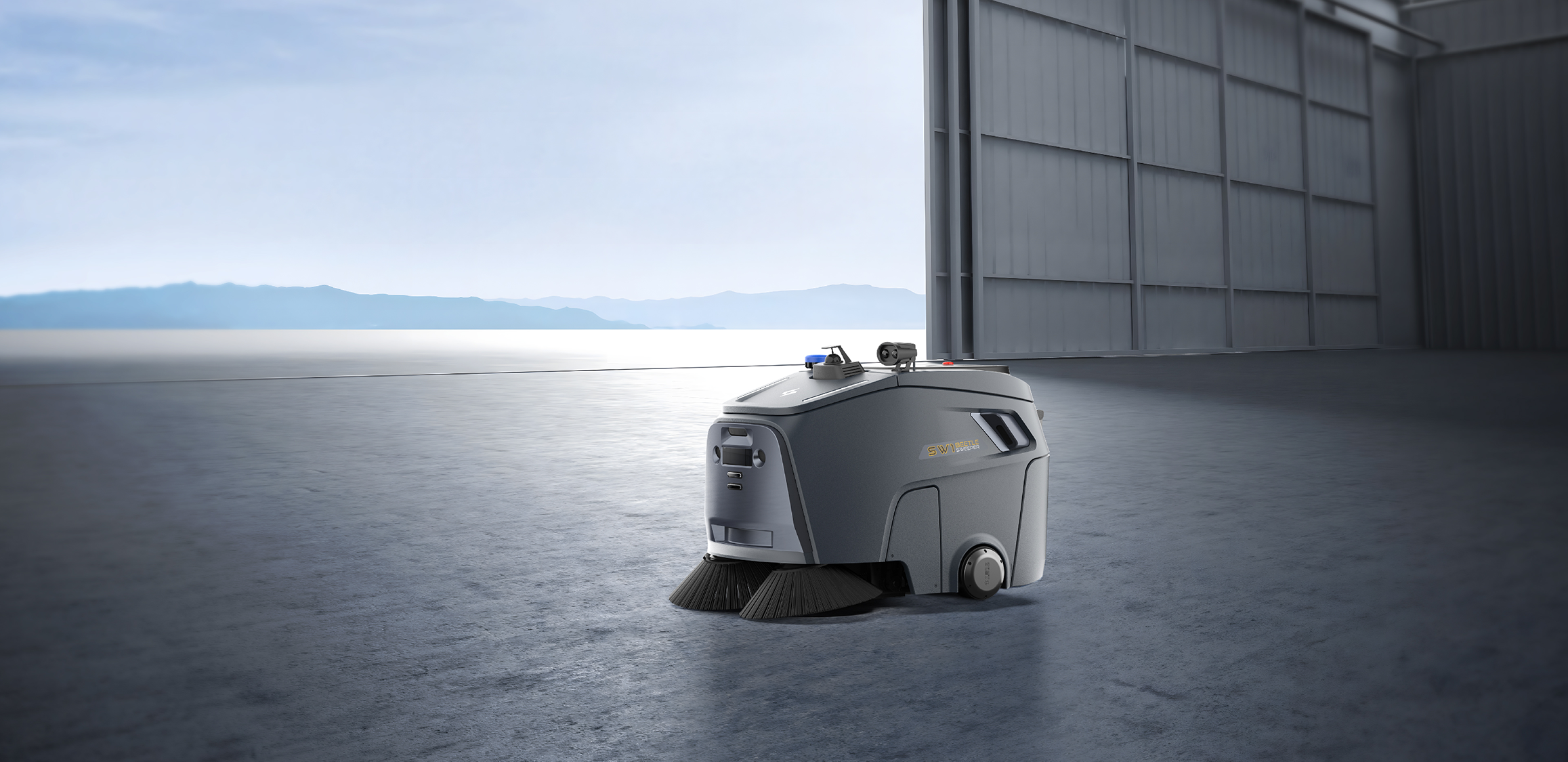
Gausium
Cleaning robots · Warehouse cleaning
Runtime: 4–8 hours
View robot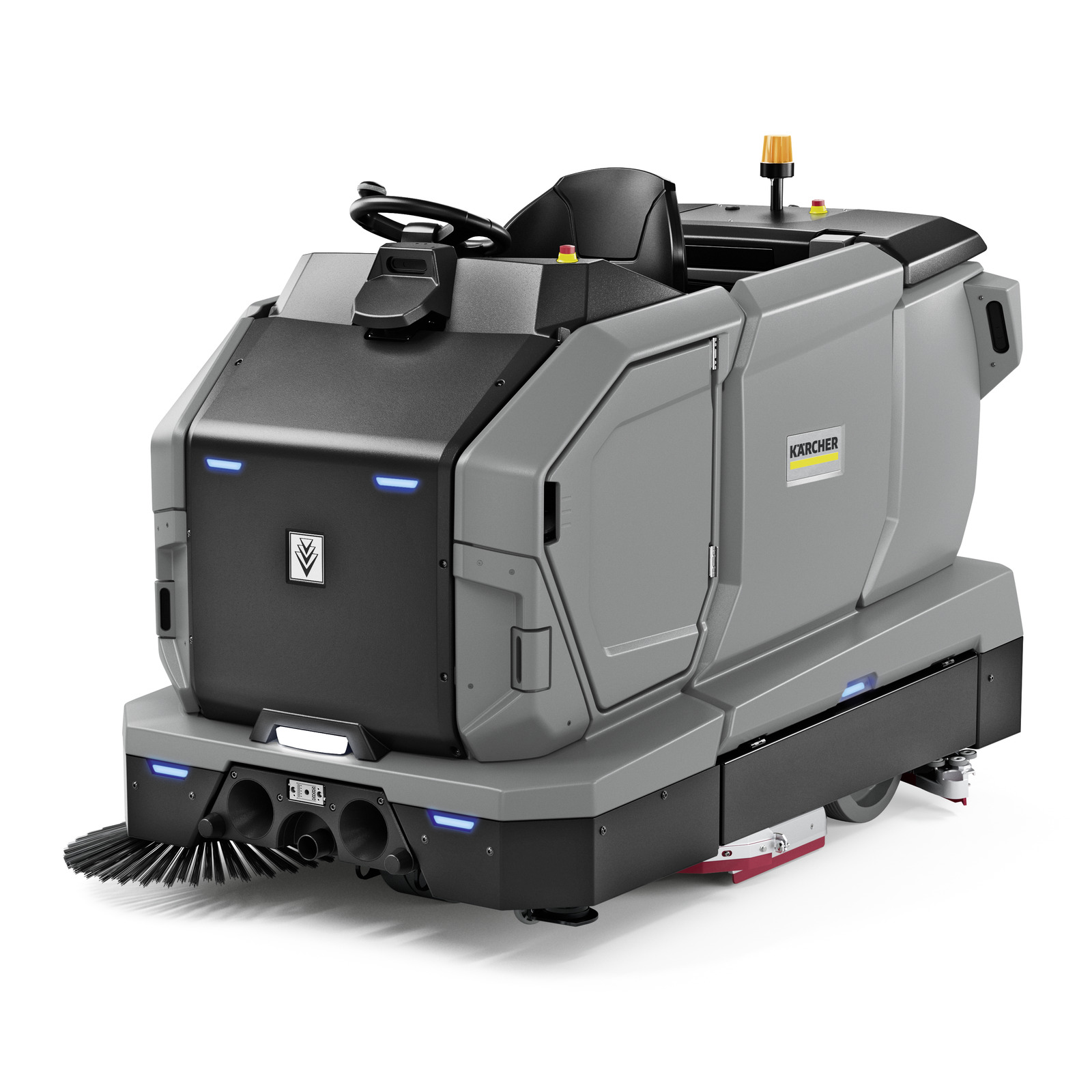
Kärcher
Cleaning robots · Warehouse cleaning
View robot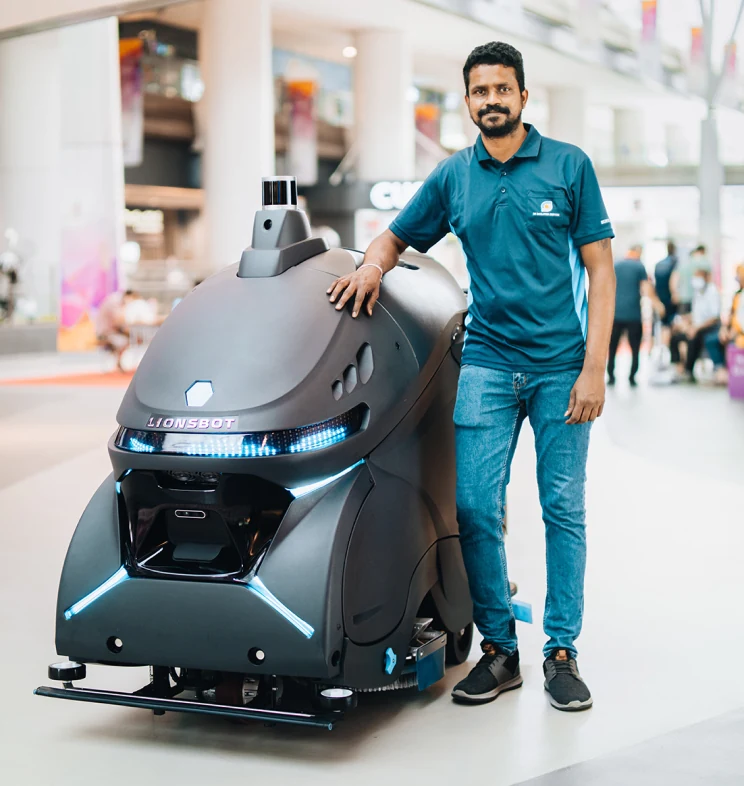
LionsBot
Cleaning robots · Logistics halls
View robotSuppliers
These suppliers are linked to the robot models shown. Check delivery area, integration and service directly with the supplier.
The robot choice follows from the workplace and the process. Discuss these points before comparing models.
Frequently asked questions
No. Surface area, floor, dirt, passages and traffic determine which models are relevant.
Scrubbing cleans a suitable hard floor with water and picks up dirty water. Sweeping mainly targets dry dust and dirt.
That requires a careful traffic and risk analysis. Set driving times or separated zones may be needed.
Yes. Water management, dirt removal, faults and quality control remain organised human work.
No. Floor finish, soiling, slopes and manufacturer conditions must be checked per site.
Start with the task and then test model, supplier and implementation.